
Understanding Average Rental Property Insurance Costs
When it comes to average rental property insurance cost, understanding the nuances can save you time and money. Here’s a quick breakdown:
- National Average: Around $2,318 per year.
- Factors Influencing Cost: Property type, location, coverage amount, and tenant profile.
Investment property insurance is essential for landlord protection, covering various risks like physical damage and liability. However, these policies can differ based on cost factors such as property type, coverage type, and the policyholder’s claims history.
Upgrading property systems and implementing safety measures can result in lower premiums. Choosing different coverage types—like DP-1, DP-2, or DP-3—can also impact the cost.
I’m Christian Strange. With 15 years of experience in insurance and business consulting, I’ve helped many landlords understand the average rental property insurance cost. Now, let’s dive deeper into the factors influencing these costs.
What is Investment Property Insurance?
Investment property insurance, often referred to as landlord insurance, is a specialized type of coverage designed to protect property owners who rent out their properties. This insurance goes beyond standard homeowners insurance, as it addresses the unique risks and liabilities associated with renting out property.
Definition and Purpose
Investment property insurance is essential for any landlord. It provides financial protection against various risks, including damage to the property, liability claims, and loss of rental income. Unlike homeowners insurance, which assumes the property is owner-occupied, landlord insurance is custom to cover the increased risks associated with tenant-occupied properties.
Coverage Types
Investment property insurance typically includes several types of coverage:
Dwelling Coverage: This covers physical damage to the structure of the rental property caused by covered perils such as fire, wind, or vandalism.
Liability Coverage: Protects landlords if they are found legally responsible for injuries or property damage that occur on their rental property. This can include medical payments and legal defense costs.
Loss of Income Coverage: If your rental property becomes uninhabitable due to a covered event, this coverage can help replace lost rental income. This ensures landlords can maintain their income stream even during repairs.
Personal Property Coverage: Covers items that the landlord owns and keeps at the rental property, such as appliances or maintenance equipment. However, it does not cover tenants’ personal belongings.
Other Structures Coverage: Applies to detached structures on the property, like garages, sheds, or fences, providing coverage for damage from covered events.
Landlord Insurance
Landlord insurance is not just a good idea; it’s crucial for financial protection. Unlike homeowners insurance, which might deny claims if the property is rented out, landlord insurance is specifically designed for rental properties. It typically costs 15-20% more than homeowners insurance due to the higher risk profile and additional coverages, such as loss of rent.
Case Study: John, a landlord in Florida, saw his rental property damaged by a storm. Thanks to his comprehensive DP-3 landlord insurance policy, he received coverage for the structural repairs and lost rental income while the property was being fixed. Without this policy, John would have faced significant financial strain.
Fact: The average cost of landlord insurance is around $1,300 per year, but this can vary based on location, property type, and the level of coverage chosen. For instance, properties in high-risk areas or those with multiple units may see higher premiums.

Understanding the nuances of investment property insurance can help landlords make informed decisions and protect their investments effectively. Next, let’s explore the factors influencing the average rental property insurance cost.
Factors Influencing the Average Rental Property Insurance Cost
When it comes to average rental property insurance cost, several key factors come into play. Understanding these can help landlords make informed decisions and potentially save on premiums.
Location
Crime Rate: Properties in areas with high crime rates often face higher insurance premiums. For example, if your rental is in a neighborhood known for vandalism or theft, insurers see a higher risk of claims.
Natural Disasters: States prone to natural disasters like hurricanes, tornadoes, or floods generally have higher insurance costs. For instance, landlord insurance in Florida is higher due to the frequent hurricanes.
Regional Variations: Even within a state, costs can vary. Urban areas might have higher premiums compared to rural areas due to increased risks and property values.
Property Type
Single-Family Homes: Generally, these are less expensive to insure compared to multi-unit buildings. The risk is lower as there are fewer tenants and, typically, less wear and tear.
Multi-Unit Buildings: These have higher premiums due to increased risks. More tenants mean a higher likelihood of damage and more complex claims.
Condos: Condos can be tricky. While the condo association’s insurance covers the building, landlords still need a policy for their unit and liability. This can be more affordable but varies based on the condo’s location and amenities.
Property Value
Replacement Cost: This coverage pays to rebuild the property at current construction costs. It’s more expensive but ensures you can fully restore the property after damage.
Actual Cash Value: This pays out the value of the property minus depreciation. While cheaper, it might not cover all rebuilding costs, leaving landlords out of pocket.
Tenant Type
Long-Term Tenants: These tenants usually mean stability and lower risk. Insurers might offer lower premiums as long-term tenants are more likely to care for the property.
Short-Term Tenants: Properties rented on a monthly basis or listed on platforms like Airbnb can face higher premiums. Short-term tenants are seen as higher risk due to frequent turnover and potential for property damage.
Tenant Demographics: Student rentals or properties rented to younger tenants might have higher premiums. Younger tenants are often perceived as less responsible, increasing the risk of claims.
Coverage Level
Basic Coverage: Policies like DP-1 cover named perils such as fire or vandalism. They are less expensive but offer limited protection and pay out based on actual cash value.
Comprehensive Coverage: DP-3 policies cover all risks unless specifically excluded. They are more expensive but offer extensive protection, including loss of rental income and liability.
DP-1, DP-2, DP-3 Policies
DP-1: Covers basic perils and pays out based on actual cash value. Suitable for vacant properties or those needing minimal coverage.
DP-2: Offers broader protection and pays out based on replacement cost. Covers more perils like burglary and water damage but excludes things like flood and earthquake damage.
DP-3: The most comprehensive, covering all risks not explicitly excluded. It pays out based on replacement cost and often includes liability coverage. Best for landlords seeking extensive protection.
Understanding these factors can help landlords choose the right insurance policy and manage their costs effectively. In the next section, we’ll dig into the average rental property insurance cost by state to give you a clearer picture of regional variations.
Average Rental Property Insurance Cost by State
The cost of rental property insurance can vary significantly depending on the state. Factors such as local crime rates, natural disaster risks, and property values all play a role in determining premiums. Here, we’ll break down the most affordable and most expensive states for landlord insurance.
Most Affordable States
If you’re looking for budget-friendly insurance options, these states offer some of the lowest premiums:
Oregon: The average monthly premium in Oregon is $73.58, making it the most affordable state for landlord insurance. The lower risk of natural disasters and relatively stable property values contribute to these lower costs.
Utah: With an average monthly cost of $76.08, Utah is another affordable state. Its low crime rates and minimal exposure to severe weather events help keep premiums down.
Idaho: Landlords in Idaho pay around $80.41 per month for insurance. The state’s low population density and lower risk of natural disasters make it a cost-effective option.
Nevada: Nevada’s average monthly premium is $80.83. While it has some risk of earthquakes, the overall risk profile is lower than many other states.
Wisconsin: At $84.83 per month, Wisconsin rounds out the top five most affordable states. Its moderate climate and lower crime rates contribute to more affordable insurance rates.
Most Expensive States
On the other end of the spectrum, these states have the highest average rental property insurance costs due to higher risks and property values:
Louisiana: The average monthly premium in Louisiana is $207.00, the highest in the nation. The state’s vulnerability to hurricanes and flooding significantly drives up insurance costs.
Florida: Close behind, Florida’s average monthly cost is $204.16. Frequent hurricanes and high property values make it one of the most expensive states for landlord insurance.
Texas: Texas landlords pay around $203.66 per month. The state faces risks from hurricanes, tornadoes, and flooding, contributing to higher premiums.
Oklahoma: With an average monthly premium of $202.50, Oklahoma is also among the most expensive. The state’s high tornado risk is a major factor in these liftd costs.
Rhode Island: Rhode Island’s monthly insurance cost is $169.83. Its coastal location and high property values increase the risk and, consequently, the insurance premiums.
Understanding these state-specific costs can help landlords budget more effectively and make informed decisions about where to invest in rental properties. In the next section, we’ll explore the different types of coverage available in investment property insurance to help you choose the best policy for your needs.
Types of Coverage in Investment Property Insurance
When it comes to investment property insurance, understanding the different types of coverage is crucial. Each type of coverage protects against different risks and can help you avoid financial pitfalls. Let’s break down the main types of coverage you’ll encounter:
Dwelling Coverage
Dwelling coverage is the backbone of any landlord insurance policy. This coverage helps pay for repairs to the physical structure of your rental property if it’s damaged by covered events like fire, windstorms, or vandalism.
- Structure Protection: This aspect of dwelling coverage ensures that the main building is protected. For example, if a fire damages your rental property, dwelling coverage will help cover the repair costs.
- Replacement Cost vs. Actual Cash Value: There are two main ways insurers reimburse claims:
- Replacement Cost: This pays to repair or replace your property at today’s prices, without considering depreciation. It’s usually the better option but can be more expensive.
- Actual Cash Value: This considers depreciation and pays what your property is currently worth. While cheaper, it can leave you covering a significant portion of the repair costs yourself.
Liability Coverage
Liability coverage is essential for protecting yourself against legal claims. This coverage helps pay for legal expenses and medical bills if someone is injured on your property or if you accidentally damage someone else’s property.
- Tenant Injuries: If a tenant or visitor is injured due to something on your property, liability coverage can help pay for their medical bills and any legal fees if they decide to sue.
- Legal Expenses: Covers the cost of legal defense if a lawsuit is filed against you.
- Medical Payments: This part of the coverage can pay for minor medical expenses for injuries that occur on your property, regardless of fault.
Loss of Income Coverage
Loss of income coverage is a lifesaver if your rental property becomes uninhabitable due to a covered event. This coverage helps replace the rental income you lose while the property is being repaired.
- Rental Income Loss: If a fire or severe storm makes your property uninhabitable, this coverage will compensate you for the lost rental income.
- Uninhabitable Property: Ensures you don’t suffer financially while your property is being repaired.
- Tenant Relocation: In some cases, this coverage may also help with the costs associated with relocating tenants temporarily.
Personal Property Coverage
Personal property coverage protects the landlord’s belongings used to maintain the rental property. While this doesn’t cover the tenant’s personal items, it can be quite valuable for landlords.
- Landlord’s Items: Covers items like appliances, lawnmowers, and snowblowers that you own and keep at the rental property.
- Security Equipment: If you have security cameras or other monitoring equipment, this coverage can help replace them if they’re damaged.
- Landscaping Equipment: Items like leaf blowers and hedge trimmers are also covered under this type of policy.
Other Structures Coverage
Other structures coverage protects buildings and structures on your property that aren’t attached to the main dwelling. This includes sheds, fences, and detached garages.
- Sheds: If a covered event damages your shed, this coverage helps pay for repairs or replacement.
- Fences: Storms or vandalism can damage fences; this coverage ensures you’re not left footing the bill.
- Detached Garages: If you have a standalone garage, this coverage will help cover repair costs if it’s damaged by a covered peril.
Understanding these types of coverage can help you choose the best policy for your needs and ensure your investment property is well-protected. Next, we’ll explore some cost-saving strategies to make your investment property insurance more affordable.
Cost-Saving Strategies for Investment Property Insurance
Property Upgrades
Upgrading your property can significantly lower your insurance premiums. Many insurance providers offer discounts for properties with updated systems. Consider the following:
- Plumbing: Old pipes can lead to leaks and water damage. Upgrading to modern plumbing can reduce these risks and lower your insurance costs.
- Heating: Modern heating systems are more efficient and less likely to cause fires. Replacing outdated systems can lead to premium reductions.
- Electrical Systems: Faulty wiring is a major fire hazard. Upgrading electrical systems can mitigate this risk and result in lower premiums.
These upgrades not only make your property safer but also more attractive to renters.
Higher Deductibles
Increasing your deductible is a straightforward way to reduce your insurance premiums. Here’s how it works:
- Premium Reduction: A higher deductible means you’ll pay more out-of-pocket in the event of a claim, but your monthly premiums will be lower.
- Out-of-Pocket Costs: While this means you’ll need to cover more minor repairs yourself, it can lead to significant savings over time.
Balancing the deductible amount with your ability to cover potential out-of-pocket costs is key.
Bundling Policies
Bundling your insurance policies can lead to substantial discounts. Here’s what you should know:
- Multi-Property Discounts: If you own multiple rental properties, insuring them under a single policy can reduce your overall insurance costs.
- Combined Coverage: Bundling landlord insurance with other types of insurance, like homeowners or auto insurance, can also lead to discounts.
Always ask your insurance provider about bundling options to maximize your savings.
Safety Measures
Implementing safety measures is another effective way to lower your insurance premiums. Consider these options:
- Security Cameras: Installing cameras can deter vandalism and theft, reducing the likelihood of claims.
- Efficient Lighting: Well-lit properties are less likely to be targeted by criminals. Motion-sensor lights are a cost-effective option.
- Fire Alarms: Modern fire alarms and sprinkler systems can prevent extensive fire damage and lower your insurance costs.
These measures not only protect your property but also make it more appealing to tenants.
By taking these steps, you can make your investment property insurance more affordable while ensuring your property is well-protected.
Frequently Asked Questions about Average Rental Property Insurance Cost
What is the average cost of landlord insurance in Texas?
The average cost of landlord insurance in Texas is generally around 25% higher than homeowners insurance. While the exact figure can vary, it’s common for Texas landlords to pay more due to the state’s higher risk factors, such as hurricanes and high property values. It’s essential to get personalized quotes to understand your specific costs. For more details on Texas landlord insurance, click here.
How much is insurance for a rental property in Florida?
In Florida, the average cost of landlord insurance is typically higher than the national average. This is mainly due to the increased risk of hurricanes and the high property values in the state. On average, landlords in Florida can expect to pay between $1,800 and $3,000 annually, depending on the property’s location and value. To get a more accurate estimate, request quotes from multiple providers. For more information on Florida rental property insurance, click here.
Is landlord insurance required in North Carolina?
While landlord insurance is not legally required in North Carolina, it is highly recommended. Given the state’s exposure to natural disasters like hurricanes and flash floods, having landlord insurance can protect your investment from significant financial loss. The average cost in North Carolina varies but is generally higher than many other states due to these risks. For a detailed look at North Carolina landlord insurance, click here.
By understanding these FAQs, you can make informed decisions about your rental property insurance needs. For personalized advice and quotes, contact Strange Insurance Agency today.
Conclusion
At Strange Insurance Agency, we understand that protecting your investment property is a top priority. That’s why we offer comprehensive coverage options custom to meet your specific needs. Whether you’re dealing with natural disasters, tenant-related issues, or unexpected property damage, our policies are designed to provide you with financial peace of mind.
Our team of experts is dedicated to helping you find the best coverage at the most competitive rates. We offer personalized quotes that take into account all the factors affecting your insurance costs, from property type and location to tenant demographics and coverage levels.
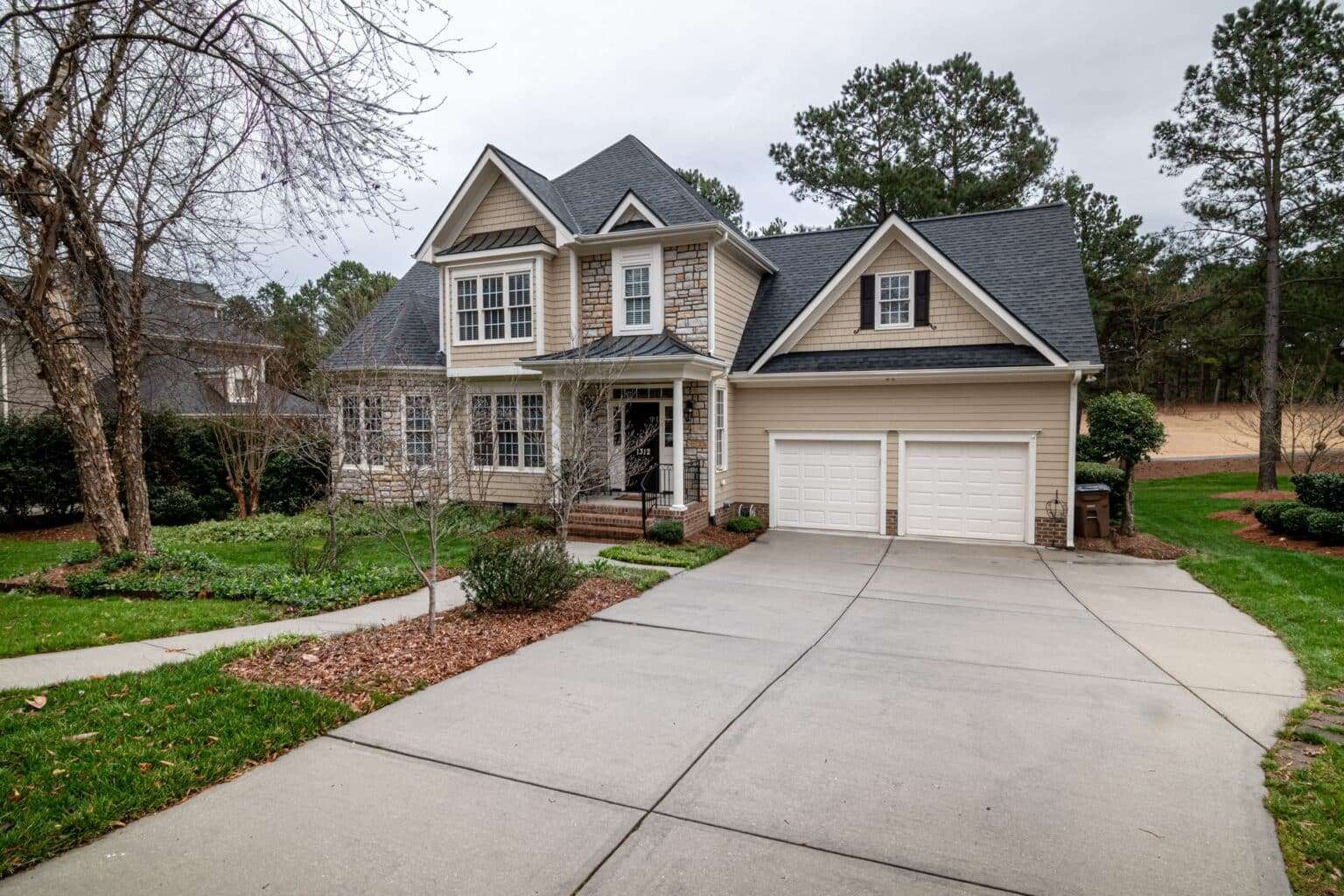
By choosing Strange Insurance Agency, you’re not just getting an insurance policy; you’re gaining a partner committed to safeguarding your investment. We pride ourselves on our quick and efficient service, ensuring that claims are processed promptly and support is available when you need it most.
For more information or to get a personalized quote, visit our Investment Property Insurance page. Let’s secure your property together and provide you with the financial protection you deserve.