
The best way to insure rental property depends on understanding the complexities of insurance types and coverage needs specific to rental properties. To quickly get you started, here are the essentials:
- Landlord Insurance: Essential if you’re renting long-term.
- Short-term Rental Coverage: Required for vacation rentals or Airbnb.
- Liability and Loss of Rent Coverage: Protect yourself from legal costs and income loss.
- Additional Options: Consider flood, earthquake, and umbrella policies based on your risk.
Navigating through these options ensures your property is well-protected, and you maintain peace of mind.
My name is Christian Strange. With over 15 years of experience in financial technology and insurance, I specialize in guiding individuals toward the best way to insure rental property while optimizing coverage and minimizing costs. Let’s dive deeper into how you can make informed decisions about your rental property insurance needs.
Easy best way to insure rental property glossary:
– average rental property insurance cost
– investment property insurance
– low cost rental property insurance
Understanding Rental Property Insurance
When it comes to protecting your rental property, understanding rental property insurance is crucial. This type of insurance, often referred to as landlord insurance, is distinct from standard homeowners insurance, primarily because it covers properties you rent out to tenants.
Landlord Insurance
Landlord insurance is designed to protect rental property owners from the unique risks associated with renting out their property. It typically includes three main types of coverage:
Property Damage: Covers the physical structure of your rental property from perils like fire, wind, or vandalism. This ensures that if a storm damages your roof or a tenant accidentally causes a fire, you’re not left with the repair bill.
Liability Protection: Protects you if someone is injured on your property and decides to sue. For instance, if a tenant slips on an icy walkway, liability coverage can help cover medical and legal expenses.
Loss of Rental Income: If your property becomes uninhabitable due to a covered loss, this coverage can compensate you for lost rental income during the repair period. Imagine a pipe bursts, flooding the property; while repairs are underway, this insurance can help cover the rent you would have received.
Rental Property Insurance Coverage Options
Beyond the basic landlord insurance, there are additional coverage options to consider:
Guaranteed Income Insurance: This is relatively new but worth considering if you rely heavily on rental income. It covers you if a tenant fails to pay rent.
Emergency Coverage: Helps cover unexpected costs like emergency repairs or lockouts. If a tenant calls at midnight because they’re locked out, this can save you from unexpected expenses.
Additional Construction Expenses: Covers costs to bring a building up to code after damage. This is especially useful if your property is older and local regulations have changed since it was built.
Short-Term Rentals
If you rent your property on platforms like Airbnb, you may need short-term rental coverage. Short-term rentals present unique risks, such as frequent tenant turnover and potential for damage. This coverage can help mitigate those risks.
The best way to insure rental property is by tailoring your insurance to match your specific needs and risks. Whether it’s a long-term lease or a short-term vacation rental, making informed decisions about your insurance options ensures you’re covered when it matters most.
Best Way to Insure Rental Property
When it comes to protecting your rental investment, the best way to insure rental property is by understanding the key areas of coverage: property damage, liability protection, and rental income loss. Each of these components plays a crucial role in safeguarding your property and financial stability.
Property Damage
Property damage coverage is essential for any rental property owner. It protects the physical structure from unforeseen events like fire, vandalism, or severe weather. Imagine a scenario where a storm causes significant damage to your property’s roof. Without proper coverage, you could face hefty repair costs. This insurance ensures that the repair bills don’t come out of your pocket.
- Covered Perils: Typically include fire, wind, hail, and vandalism.
- Exclusions: Often exclude damage from floods and earthquakes unless additional coverage is purchased.
Liability Protection
Liability protection is a must-have for landlords. It shields you from financial loss if someone is injured on your property and decides to sue. For instance, if a tenant or visitor slips and falls due to a poorly lit staircase, liability coverage can help cover medical expenses and legal fees.
- Medical Payments: Covers medical costs for injuries occurring on your property.
- Legal Fees: Assists with the costs associated with defending against lawsuits.
Rental Income Loss
Loss of rental income coverage is crucial if your property becomes uninhabitable due to a covered event. This insurance compensates you for the rent you would have collected while repairs are underway. Picture a burst pipe flooding the property; during the repair period, this coverage can help maintain your income stream.
- Fair Rental Value: Offers compensation based on the market rental rate of your property.
- Extended Period: Some policies provide coverage for an extended period beyond the repair timeline.
Tailoring Your Coverage
The best way to insure rental property is to customize your policy based on your specific needs and potential risks. Consider additional coverages like:
- Rent Guarantee Insurance: Covers missed rent payments from tenants.
- Short-Term Rental Coverage: Essential if you rent out your property on platforms like Airbnb.
By understanding these coverage options and tailoring them to your situation, you can ensure comprehensive protection for your rental property. This strategic approach not only secures your investment but also provides peace of mind in the face of unexpected challenges.
Types of Coverage for Rental Properties
When insuring a rental property, understanding the different types of coverage available is key. Each type of coverage offers unique benefits, and choosing the right one can significantly impact your financial protection. Let’s break down the main coverage types: replacement cost, actual cash value, and extended replacement costs.
Replacement Cost
Replacement cost coverage ensures that if your rental property is damaged or destroyed by a covered peril, the insurance will pay the cost to repair or replace it without factoring in depreciation. This means you can rebuild or repair your property to its original condition using new materials, no matter how old the property was.
Example: Imagine a fire damages your rental property. With replacement cost coverage, you’ll receive enough money to rebuild with similar quality materials, helping you restore the property to its former state.
Actual Cash Value
Actual cash value coverage, on the other hand, takes depreciation into account. This type of insurance pays out the cost to repair or replace your property, minus depreciation. Essentially, it’s the value of your property at the time of the loss, not the cost to replace it with new materials.
Example: If that same fire occurs, actual cash value coverage will reimburse you based on the current value of the property, considering its age and condition prior to the fire. This might leave you with less money than needed to fully rebuild or repair using new materials.
Extended Replacement Costs
Extended replacement costs provide an additional layer of protection by offering coverage beyond the policy limit if rebuilding costs rise unexpectedly. This is particularly useful in situations where construction costs surge due to increased demand or inflation.
Example: If rebuilding costs rise by 20% due to a natural disaster affecting the area, extended replacement cost coverage can help cover the additional expenses, ensuring you can complete the repairs or rebuild without financial strain.
Choosing the Right Coverage
Selecting the right type of coverage for your rental property depends on several factors, including your budget, the property’s age, and the potential risks in your area. Here’s a quick comparison:
| Coverage Type | Pros | Cons |
|---|---|---|
| Replacement Cost | Covers full rebuilding costs with new materials | Higher premiums |
| Actual Cash Value | Lower premiums | Payouts reduced by depreciation |
| Extended Replacement | Protects against cost increases beyond policy limits | May still have limits on coverage amount |
To achieve the best protection for your rental property, consider a combination of these coverage types based on your specific needs and risk factors. This strategic approach ensures that you’re prepared for any eventuality, safeguarding your investment from unexpected financial burdens.
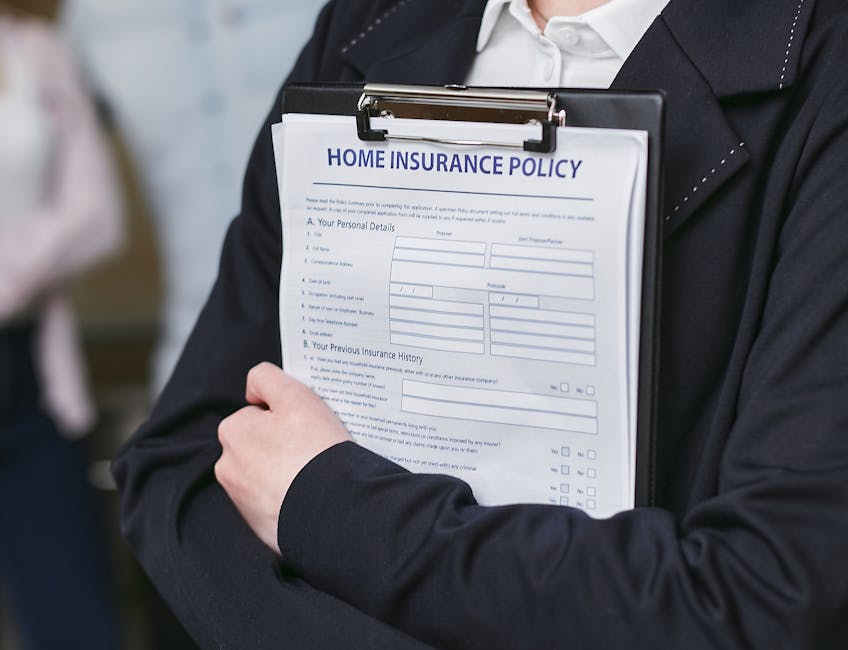
By understanding these coverage options, you can make informed decisions to protect your rental property effectively. Next, we’ll explore additional coverage options that can further improve your insurance strategy.
Additional Coverage Options
When it comes to insuring your rental property, there are some additional coverage options that can offer extra peace of mind. These options can be particularly important if your property is in an area prone to natural disasters or if you want to improve your liability protection.
Flood Insurance
Flooding is a common natural disaster that standard property insurance policies usually don’t cover. If your rental property is in a flood-prone area, flood insurance is essential. This specialized insurance covers damage caused by overflowing rivers, heavy rainfall, or storm surges.
Key Point: The National Flood Insurance Program (NFIP) offers flood insurance, which is crucial for properties in high-risk zones.
Consideration: There’s typically a 30-day waiting period before the coverage kicks in, so plan ahead to avoid gaps in protection.

Earthquake Insurance
Like floods, earthquakes are typically not covered by standard insurance policies. If your rental property is located near a fault line or in a region with seismic activity, earthquake insurance is worth considering.
Coverage: This insurance can help cover the cost of repairing structural damage and replacing personal property damaged in an earthquake.
Fact: Earthquake insurance policies often have higher deductibles, so it’s important to weigh the potential risks and costs.
Umbrella Policy
An umbrella policy provides extra liability coverage beyond the limits of your standard landlord insurance. This is particularly useful if you face a lawsuit that exceeds your existing coverage limits.
- Benefits:
- Covers legal fees, court costs, and settlements.
Offers protection against claims that may not be covered by your primary insurance, such as libel or slander.
Example: If a tenant sues you for a significant injury on your property, an umbrella policy can help cover costs that exceed your primary liability insurance.

Choosing the Right Additional Coverage
Deciding on additional coverage options depends on your property’s location, the risks it faces, and your personal risk tolerance. Here’s a quick guide to help you decide:
| Additional Coverage | Ideal For | Considerations |
|---|---|---|
| Flood Insurance | Properties in flood-prone areas | 30-day waiting period, check FEMA flood maps |
| Earthquake Insurance | Properties near fault lines | Higher deductibles, assess seismic risk |
| Umbrella Policy | High-net-worth landlords or those seeking extra liability protection | Covers broader claims, higher coverage limits available |
By integrating these additional coverage options into your insurance strategy, you can better protect your rental property from a wide range of risks. Next, we’ll address some common questions about rental property insurance to further clarify your coverage options.
Frequently Asked Questions about Rental Property Insurance
What is the best insurance for rental property?
The best way to insure rental property involves securing a comprehensive landlord insurance policy. This type of insurance covers property damage, liability protection, and loss of rental income. It’s essential to tailor the coverage to your property’s specific needs and risks. For instance, if your property is in an area prone to natural disasters, consider adding flood or earthquake insurance.
What will you most likely need to insure as a landlord?
As a landlord, you will most likely need to insure:
- Property Damage: Protects the structure of your rental property against perils like fire, storms, or vandalism.
- Liability Protection: Covers legal costs if someone is injured on your property.
- Rental Income Loss: Compensates for lost income if your property becomes uninhabitable due to a covered event.
Additionally, think about optional coverages like rent guarantee insurance to protect against tenant default, especially if your income depends heavily on rent payments.
Does an umbrella policy cover rental property?
Yes, an umbrella policy can cover rental property by providing extra liability coverage beyond your standard landlord insurance. It’s particularly helpful if you’re facing a lawsuit with costs that exceed your primary policy limits. An umbrella policy can also cover certain claims that your primary insurance might not, such as libel or slander.
By understanding these aspects of rental property insurance, you can make informed decisions to safeguard your investments.
Conclusion
At Strange Insurance Agency, we understand that securing the best insurance for your rental property is crucial for protecting your investment. We offer comprehensive coverage options custom to meet your specific needs, ensuring that you are covered for property damage, liability, and rental income loss. Our policies are designed to give you peace of mind, knowing that your property is protected against unforeseen events.
Our approach is not just about providing insurance; it’s about offering a personalized service. We take the time to understand your unique situation and help you steer the complexities of rental property insurance. With our expertise, you can choose the right coverage options, whether it’s adding flood insurance for properties in high-risk areas or considering an umbrella policy for extra liability protection.
We are committed to making the process as smooth and straightforward as possible. By partnering with multiple top-rated insurance providers, we ensure that you receive the best quotes and coverage available. Our team is always ready to assist you with any questions or concerns, providing you with the support you need to make informed decisions.
Protect your rental property with confidence. Visit our commercial property insurance page to learn more about how we can help you secure the best insurance for your rental property. Let Strange Insurance Agency be your trusted partner in safeguarding your investment.