
Building and contents insurance for landlords is essential for those renting out properties, as it offers critical protection against the unexpected. Whether you’re a seasoned landlord or new to the rental market, understanding this type of insurance is crucial. Here’s a quick snapshot of what it typically covers:
- Property Damage: Protects the building and fixtures from damages caused by fire, weather, or vandalism.
- Liability Protection: Covers legal claims if someone is injured on your property.
- Loss of Rental Income: Compensates for lost rent if the property becomes uninhabitable due to covered damage.
As a property owner, knowing your assets are adequately covered can provide peace of mind, especially when managing multiple responsibilities. I’m Christian Strange, with over 15 years in the insurance and risk management field, specializing in helping landlords secure their properties through custom insurance solutions. Understanding building and contents insurance for landlords is key to safeguarding your investment—the next section will dig deeper into how this insurance works.
Building and contents insurance for landlords definitions:
– best building insurance for landlords
– building insurance for buy to let
– investment property insurance
Understanding Building and Contents Insurance for Landlords
Building and contents insurance for landlords is a specialized coverage designed to protect rental properties and their contents. This insurance is crucial for landlords because it addresses the unique risks associated with renting out properties. Let’s break down the key components:
Coverage Types
Property Damage: This aspect of the insurance covers the physical structure of the rental property. It includes protection against damages caused by events like fire, storms, theft, or vandalism. For example, if a tenant accidentally starts a kitchen fire, the insurance would typically cover the repair costs to the damaged parts of the building.
Contents Coverage: Beyond the building itself, this insurance covers items provided by the landlord within the rental property. This could include appliances, furniture, or any fixtures that belong to the landlord. If a washer provided by the landlord is damaged due to a covered peril, the insurance can help replace it.
Property Damage
Property damage coverage is a cornerstone of landlord insurance. It ensures that landlords are not left financially vulnerable when unexpected events occur. According to research, the cost to rebuild or repair a property is a significant factor in determining insurance premiums. Therefore, understanding the value of your property and selecting adequate coverage is essential.
Liability Protection
Liability protection is another critical component of building and contents insurance. It covers legal and medical costs if someone is injured on your property. For instance, if a tenant slips on an icy walkway and decides to sue, liability coverage can help cover the legal expenses and any medical bills.
This protection is vital for landlords, as it shields them from potentially devastating financial losses due to lawsuits or claims.

Why It’s Important
Having building and contents insurance for landlords is not just about compliance or ticking a box. It’s about ensuring that your investment is safeguarded against unforeseen events that could otherwise lead to significant financial setbacks. It’s also about having peace of mind knowing that your property and your financial interests are protected.
In the next section, we will explore the key benefits of building and contents insurance, highlighting how it can provide financial protection, offer liability coverage, and cover loss of rental income.
Key Benefits of Building and Contents Insurance
Building and contents insurance for landlords offers several crucial benefits that help protect your investment and financial stability. Here are the key advantages:
Financial Protection
Owning a rental property is a significant investment, and protecting it is essential. Building and contents insurance provides financial protection against unexpected events like fire, theft, or vandalism. Imagine a scenario where a storm damages the roof of your rental property. Without insurance, you would bear the full cost of repairs, which can be substantial. With the right coverage, these expenses are significantly minimized, ensuring that your investment remains secure.
Liability Coverage
Accidents happen, and when they do, landlords can be held liable. Liability coverage is a critical component of building and contents insurance. It covers legal and medical expenses if someone is injured on your property. Consider a situation where a tenant’s guest trips over a loose carpet and injures themselves. Without liability coverage, you might face costly legal fees and medical bills. This insurance ensures you have the support needed to handle such incidents without draining your finances.
Loss of Rental Income
When your property becomes uninhabitable due to a covered event, you risk losing rental income. Loss of rental income coverage compensates you for the income lost during the repair period. For instance, if a fire makes your property unlivable, this coverage helps replace the rent you would have otherwise collected. This ensures that your cash flow remains steady, even when unexpected events disrupt your rental business.
In the following section, we will dig into what building and contents insurance specifically covers, including structure damage, personal liability, and tenant-related damage.
What Does Building and Contents Insurance Cover?
When it comes to building and contents insurance for landlords, understanding what is covered is key to ensuring your investment is well-protected.
Structure Damage
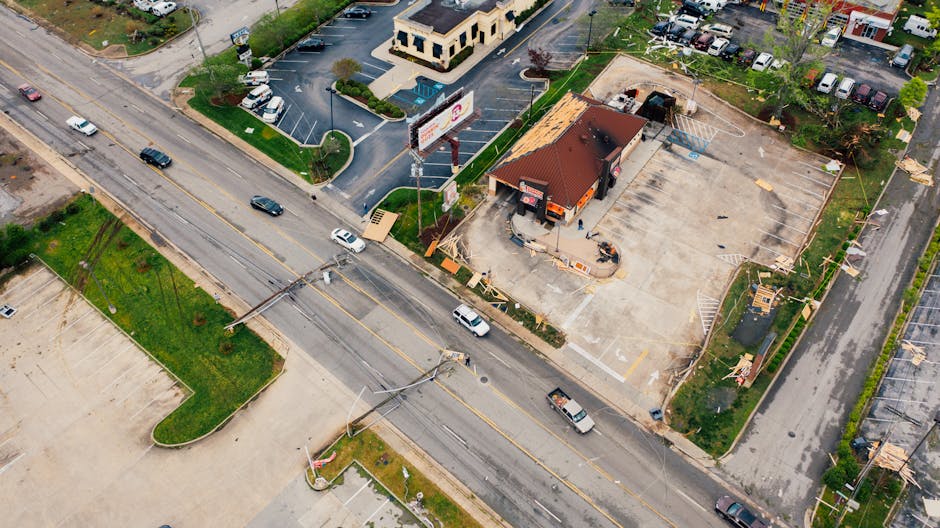
The primary component of this insurance is coverage for structure damage. This includes damage to the physical building itself from events like fires, storms, or vandalism. For example, if a hurricane damages the roof of your rental property in Florida, your insurance would cover the repair costs, shielding you from substantial financial loss.
Personal Liability
Personal liability protection is another crucial aspect. This part of the policy covers legal and medical expenses if someone is injured on your property. Imagine a tenant’s visitor slips and falls on a wet floor in your Norfolk, VA rental. Without this coverage, you could face hefty legal fees and medical expenses. Personal liability insurance ensures you’re protected from such unexpected costs.
Tenant Damage
Finally, tenant-related damage is an important consideration. This includes accidental damage caused by tenants, such as a kitchen fire or a broken window. However, it’s important to note that intentional damage by tenants might not be covered. Encouraging tenants to have their own renters insurance can provide additional peace of mind and coverage for their personal belongings.
In the next section, we’ll guide you through how to choose the right building and contents insurance for your needs, focusing on coverage options, policy limits, and deductibles.
How to Choose the Right Building and Contents Insurance
Selecting the right building and contents insurance for landlords is crucial for safeguarding your investment. Here’s how to make an informed choice:
Coverage Options
Start by evaluating the coverage options available. A comprehensive policy should cover property damage, liability, and loss of rental income. Some insurers offer additional coverages, like protection against floods or earthquakes, which might be essential if your property is in a high-risk area. Always check what perils are included and consider optional add-ons based on your property’s unique risks.
Policy Limits
Next, consider the policy limits. These limits define the maximum amount your insurance will pay for a covered loss. Ensure that the limits are high enough to cover the full replacement cost of your property and its contents. For instance, if your rental property is worth $300,000, make sure your policy limit matches or exceeds this amount to avoid being underinsured.
Deductibles
Deductibles are the amount you pay out-of-pocket before your insurance kicks in. Choosing a higher deductible can lower your premium costs, but be sure you can afford it in the event of a claim. It’s a balancing act: a lower deductible means less upfront cost during a claim, but typically results in higher premiums. Assess your financial situation and risk tolerance when deciding on the deductible amount.
In the upcoming section, we’ll answer frequently asked questions about building and contents insurance for landlords, including whether it’s required and how much it costs.
Frequently Asked Questions about Building and Contents Insurance for Landlords
Is landlord insurance required?
While landlord insurance isn’t legally required, it’s highly recommended for anyone renting out property. Some mortgage lenders may require it as a condition of the loan. This insurance provides financial protection against property damage, liability claims, and loss of rental income. Without it, landlords could face significant out-of-pocket expenses if something goes wrong.
Does landlord insurance cover tenant damage?
Landlord insurance typically covers accidental damage caused by tenants, such as a kitchen fire or a burst pipe. However, it often doesn’t cover intentional damage or neglect. For example, if a tenant deliberately damages walls or fixtures, that might not be covered. Always review your policy details to understand what types of tenant damage are covered and consider requiring tenants to have renters insurance as an added layer of protection.
How much does landlord insurance cost?
The cost of landlord insurance varies based on several factors. Location plays a significant role, as properties in areas prone to natural disasters or high crime rates may have higher premiums. The coverage level you choose, including the types and amounts of coverage, also affects the cost. For instance, higher coverage limits or additional coverages like flood insurance can increase your premium. To find the best rate, compare quotes from different insurers and consider bundling policies for possible discounts.
Conclusion
When it comes to safeguarding your rental property, Strange Insurance Agency stands out as a reliable partner. We understand that every landlord’s needs are unique, and that’s why we offer comprehensive coverage options custom specifically for you. Our goal is to ensure that you have the right protection without paying for unnecessary extras.
At Strange Insurance, we pride ourselves on providing personalized service. Our team is committed to helping you steer the complexities of building and contents insurance for landlords, making the process as straightforward as possible. Whether you’re concerned about property damage, liability protection, or loss of rental income, we have solutions designed to give you peace of mind.
With locations in Virginia and North Carolina, and the backing of Goosehead Insurance, we offer quick service and access to multiple quotes from over 30 companies. This means you can compare and choose the best coverage that fits your needs and budget.
Ready to protect your investment with comprehensive insurance? Contact Strange Insurance Agency today and let us help you find the perfect policy for your rental property.