
The Critical Shield Your Business Needs
Business public liability insurance is a fundamental protection that shields your company from the financial consequences of accidents, injuries, and property damage involving customers, visitors, or members of the public.
“There’s no degree of caution that can make your business immune from lawsuits. Even with necessary safety measures in place, accidents and mistakes can still happen in day-to-day transactions.”
What is business public liability insurance?
- Covers third-party bodily injury and property damage claims
- Pays legal defense costs if your business is sued
- Typically costs $40-$80 per month for small businesses
- Not legally required in most states but often contractually mandated
- Can be purchased standalone or as part of general liability coverage
Think of it as a financial safety net for those unexpected moments – a customer slipping on a wet floor, a contractor damaging client property, or someone tripping over your equipment. Without proper coverage, a single claim could cost your business tens or even hundreds of thousands of dollars in legal fees and settlements.
I’m Christian Strange, and with over 15 years of experience in insurance and risk management, I’ve seen how business public liability insurance has saved countless companies from financial ruin after unexpected incidents. As the founder of Strange Insurance Agency, I specialize in helping businesses find the right coverage to protect against these unpredictable risks.
Business public liability vocab explained:
– directors & officers insurance
– garage keepers insurance
– personal indemnity insurance
Understanding Business Public Liability Insurance

When you open your doors to customers or clients, you’re also opening yourself to potential risks. That’s where business public liability insurance comes in – it’s your safety net when the unexpected happens.
Think of this coverage as your business’s shield against claims from third parties who suffer bodily injury or property damage because of your operations. Whether a customer slips on your freshly mopped floor or your employee accidentally damages a client’s antique vase while providing services, this insurance has your back.
At its core, business public liability is built on the legal concept of “duty of care.” As a business owner, you have a responsibility to ensure the safety of anyone who interacts with your company. When accidents happen – and they do, even to the most careful businesses – you could be held financially responsible.
According to the Insurance Information Institute, for a liability claim to be valid, it needs to meet three key conditions: it must be caused by an accident (including ongoing exposure to harmful conditions), happen within your policy’s coverage territory, and occur during your policy period.
You’ll encounter two main types of policies in your search for protection:
Occurrence-based policies cover incidents that happened while your policy was active, even if someone files a claim years later. It’s like having a time capsule of protection.
Claims-made policies only cover incidents that are both reported and occur during your active policy period. Think of these as “use it or lose it” protection.
Many business relationships actually require you to have this coverage in place. Your landlord, clients, or government contracts often won’t move forward without proof that you’re properly insured.
Business Public Liability vs. General Liability
Business public liability focuses specifically on protecting you when third parties experience bodily injury or property damage because of your business operations. It also covers the legal costs of defending such claims.
General liability takes everything covered by public liability and expands it to include additional protections like personal and advertising injury, product liability, and completed operations coverage.
Most U.S. insurers now offer general liability policies that wrap public liability protection into a more comprehensive package. For most businesses, a General Liability Insurance policy provides all the public liability protection you need, plus those additional coverages that address modern business risks.
What Does Business Public Liability Cover—and Not Cover?

When you’re running a business, knowing exactly what your insurance protects you against (and what it doesn’t) can mean the difference between peace of mind and a financial nightmare.
What’s Typically Covered:
Your business public liability policy typically covers:
Bodily injury to third parties: If a customer slips on your freshly mopped floor and breaks their wrist, your policy covers their medical bills, lost wages, and compensation for pain and suffering.
Property damage: If your employee accidentally breaks a customer’s expensive laptop during a service call, your policy would cover the replacement costs.
Legal defense costs: Even for unfounded claims, your insurance pays for your legal defense.
Medical payments: Covers smaller medical expenses right away, regardless of fault.
Product liability: Covers injuries or damage caused by products your business creates or sells.
Settlements and judgments: If you’re found liable in court, your policy covers these up to your policy limits.
What’s Typically NOT Covered:
Professional mistakes or bad advice: You’ll need separate professional liability insurance for these.
Employee injuries: These fall under workers’ compensation insurance.
Cyber incidents: Data breaches or hacking require specialized cyber liability insurance.
Vehicle accidents: These need commercial auto coverage.
Intentional harm or illegal activities: Never covered.
Damage to your own business property: Requires separate property insurance.
Covered Situations
Real-world scenarios where business public liability shines include:
A flower shop customer slips on spilled water and fractures their hip.
A mail carrier slips on ice outside your office entrance.
Your landscaping crew accidentally cuts through an underground cable while digging.
A guest is injured when a chair collapses at your product launch event.
One graphic design client faced a $105,000 nightmare when a customer fell due to an uneven doorway—$75,000 in damages plus $30,000 in legal costs. Without proper coverage, that small business might have closed its doors for good.
Key Exclusions & Gaps
To ensure complete protection, be aware of these common gaps:
Employee injuries: Require workers’ compensation insurance, mandatory in most states including Virginia and North Carolina if you have three or more employees.
Professional advice or services: Need professional indemnity insurance.
Vehicle incidents: Require commercial auto insurance.
Cyber attacks: Need cyber liability insurance.
Management decisions: Require Directors & Officers coverage.
At Strange Insurance Agency, many clients opt for comprehensive Business Liability Insurance packages that address these gaps.
Cost, Limits & How to Choose the Right Policy
When it comes to business public liability insurance, finding the right balance between adequate coverage and affordable premiums is crucial.
The average cost for a small business typically ranges from $40 to $80 per month, or about $480 to $960 per year. However, these figures vary based on several factors:
Industry Risk: High-risk industries like construction generally pay higher premiums than office-based businesses.
Revenue: Higher revenue businesses typically face higher premiums.
Location: Insurance costs vary by state and even by zip code.
Claims History: Previous liability claims will likely increase your premiums.
Deductible: A higher deductible lowers your premium but increases out-of-pocket costs when a claim occurs.
Business Size: The number of employees and square footage influence your premium.
Standard general liability policies typically have a per-occurrence limit of $1 million and an aggregate limit of $2 million. For businesses with higher risk exposure, umbrella liability policies can provide additional coverage.
Policy Limits & Deductibles for Business Public Liability
Standard coverage levels in the market are typically:
- $5 million
- $10 million
- $20 million
The appropriate limit depends on:
Contractual Requirements: Many clients or landlords specify minimum coverage requirements.
Industry Standards: Some industries have standard coverage expectations.
Risk Assessment: Consider your worst-case scenario.
Business Assets: Your coverage should protect your business assets.
Here’s a comparison of standard limits across different industries:
| Industry | Typical Minimum Limit | Recommended Limit |
|---|---|---|
| Retail | $1-2 million | $2-5 million |
| Contractors | $2-5 million | $5-10 million |
| Food Service | $1-2 million | $2-5 million |
| Professional Services | $1-2 million | $2-5 million |
| Manufacturing | $5-10 million | $10-20 million |
Regarding deductibles, higher deductibles mean lower premiums but require more out-of-pocket payment when a claim occurs.
Getting an Accurate Quote
At Strange Insurance Agency, we provide comprehensive options through:
Multi-carrier Comparison: Through our partnership with Goosehead Insurance, we provide quotes from 30+ insurance companies.
Coverage Bundles: We often recommend a Business Owner’s Policy (BOP), which combines general liability with property insurance at a lower cost.
Online Tools: We offer convenient online quoting tools.
Customization: We tailor coverage to your specific industry, business size, and risk profile.
For a personalized quote, visit our Business Insurance page or contact us directly.
Managing Claims & Real-World Examples

No matter how careful you are, accidents happen. When they do, knowing how to steer the claims process can save you significant stress, time, and money.
When an incident occurs that might trigger your business public liability insurance:
- Document everything thoroughly – take photos, gather witness contact information, and write down exactly what happened.
- Notify your insurer right away – most policies have strict reporting timelines.
- Be compassionate but cautious – avoid admitting fault before the investigation is complete.
“The worst thing you can do is wait to report a potential claim,” I often tell clients. “Even if you’re not sure it will exceed your deductible, get it on record immediately.”
The timeline for resolution varies dramatically – a simple property damage claim might resolve in weeks, while a serious injury could take months or years, especially if it goes to court.
The Public Liability Claim Process Step-by-Step
Incident Report: Create a detailed record immediately after the event occurs.
Evidence Collection: Take multiple photos before anything is moved or cleaned up. Gather written witness statements and secure any video footage.
Claim Notification: Contact your insurance provider through their preferred channel.
Insurer Assessment: A claims adjuster will review documentation, possibly interview witnesses, inspect the location if needed, and determine coverage and liability questions.
Resolution Process: Most claims resolve through direct settlement negotiations, but some require mediation, arbitration, or court proceedings.
Subrogation: If another party shares responsibility, your insurer may pursue them to recover costs after settling your claim.
Throughout this process, we stand beside our clients as advocates, helping you understand what’s happening and ensuring your interests remain protected.
Real-World Case Studies
Retail Slip-and-Fall: A boutique clothing store in Norfolk had a customer slip on a wet floor during a rainstorm. Despite having proper mats and warning signs, the customer suffered a broken hip requiring surgery. The total claim reached $125,000 – their $1 million policy covered everything, saving the business from potential financial ruin.
Restaurant Food Poisoning: A small Raleigh restaurant faced multiple claims when customers became ill after dining there due to improper food storage procedures. The total claim hit $95,000 – their general liability policy handled the entire amount.
Trade Tools Trip: A Virginia Beach plumbing contractor accidentally left tools in a walkway at a customer’s home. The homeowner tripped and fractured their wrist, resulting in a $70,000 claim covered by their contractor’s liability policy.
Ecommerce Product Defect: An online retailer based in Charlotte sold a defective appliance that caused a small fire in a customer’s home. The product liability portion of their general liability policy covered $60,000 in damages.
Each of these businesses could have faced devastating financial consequences without proper business public liability coverage.
Reducing Your Risk of Public Liability Claims
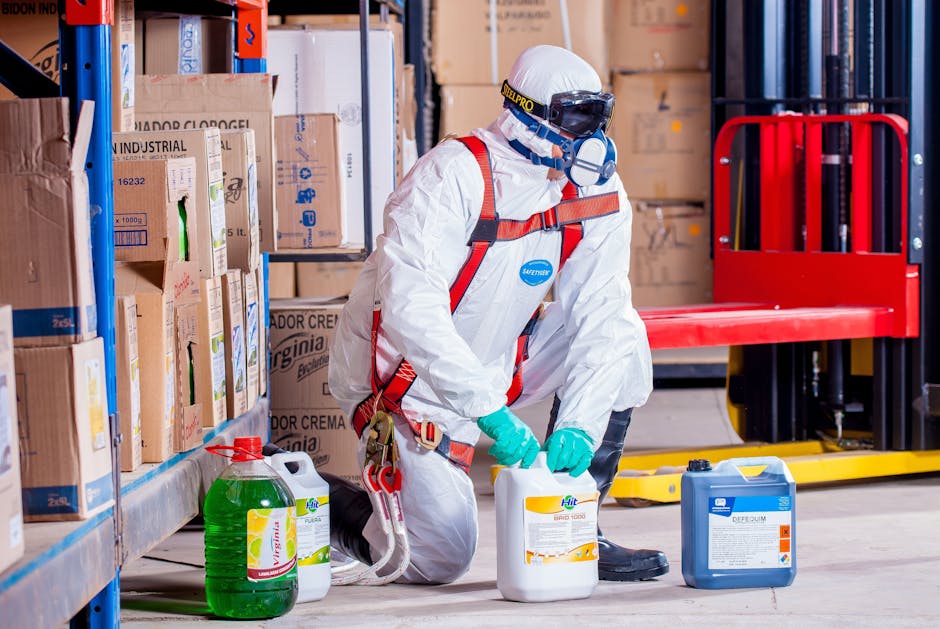
While having business public liability insurance is essential, preventing claims from happening is even better. Prevention isn’t just possible—it’s practical and cost-effective.
Implement these proven strategies to protect your business:
Regular safety audits: Walk through your premises looking for hazards like loose carpeting, uneven flooring, or poorly lit areas. One client found a minor crack in their entryway during a routine inspection—that $200 repair likely saved them from a $50,000 slip-and-fall claim.
Clear signage: Wet floor signs, directional markers, and warning notices are your first line of defense against liability.
Staff training: Well-trained staff who know how to spot potential hazards, address spills immediately, and respond to emergencies can dramatically reduce your risk exposure.
Documentation: Maintenance logs, cleaning schedules, and repair records can be your saving grace if a claim occurs.

Incident response plan: Ensure everyone knows exactly what to do when something goes wrong, including documenting what happened, gathering witness information, taking photos, and promptly reporting to management.
Contract waivers: Well-crafted waivers and agreements can provide additional protection, but consult with legal counsel to ensure they’re legally sound.
Quality control: Rigorous testing processes and documentation of quality standards can help defend against product liability claims.
For more detailed information on specific coverages, our guide on What Does Business Liability Insurance Cover? provides an excellent overview.
Temporary & Short-Term Solutions
Not every business needs year-round coverage. For pop-up shops, farmers market booths, or seasonal businesses, we offer specialized short-term business public liability insurance that provides protection only when you need it.
Event organizers often require vendors to carry their own liability insurance. Our Temporary Public Liability Insurance and One Day Public Liability Insurance options make it easy to meet these requirements without breaking the bank.
Being proactive about risk management doesn’t just reduce claims—it creates a safer environment for everyone who interacts with your business.
Frequently Asked Questions about Business Public Liability
Navigating business insurance can feel overwhelming. Here are the most common questions my clients ask about business public liability insurance.
Is business public liability insurance required by law?
While business public liability insurance isn’t federally mandated in the United States, several situations make it effectively required:
Certain municipalities require specific businesses to carry liability insurance. For example, contractors in Virginia and North Carolina typically need proof of insurance to obtain their licenses.
Many contracts from large corporations and government entities won’t consider working with vendors who don’t carry at least $1-2 million in liability coverage.
Almost every commercial landlord includes liability insurance requirements in their lease agreements.
Some professional licensing boards require proof of liability insurance for certain occupations.
Operating without this insurance can seriously limit your growth opportunities and expose your business assets to substantial risk.
How much coverage does my small business really need?
When determining appropriate coverage, consider:
Risk exposure: Businesses with high foot traffic or physical interaction with customers typically need higher limits.
Business assets: At minimum, your policy should protect what you’ve built.
Contract requirements: Many clients specify minimum coverage amounts.
Industry standards: Retailers typically carry $1-2 million, contractors often need $2-5 million, and professional service providers usually maintain at least $1-2 million.
For most small businesses in Virginia and North Carolina, I recommend starting with at least $1 million in per-occurrence coverage and $2 million in aggregate coverage.
Are premiums tax-deductible?
Yes! Business public liability insurance premiums are generally tax-deductible as a legitimate business expense. The IRS considers insurance premiums a necessary cost of doing business, making them deductible in the year they’re paid.
To properly document these deductions:
– Keep detailed records of all premium payments
– Ensure the insurance directly relates to your business operations
– Maintain documentation showing the business purpose
If you operate as a sole proprietor, you’ll typically deduct these expenses on Schedule C of your personal tax return. For partnerships, LLCs, and corporations, these expenses would appear on your business tax returns.
Tax laws do change, so I always recommend consulting with a qualified tax professional for advice specific to your situation.
Conclusion
Business public liability insurance is a crucial financial safeguard that protects everything you’ve worked for. In today’s litigious society, where a single claim can result in costs exceeding $100,000, having adequate coverage isn’t optional for responsible business owners.
Throughout this guide, we’ve explored:
- The fundamental difference between public liability and general liability insurance
- What is and isn’t covered under these policies
- How to determine appropriate coverage limits for your business
- Strategies to reduce your risk exposure
- Real-world examples that demonstrate the value of proper coverage
At Strange Insurance Agency, we understand that navigating the complex world of business insurance can be overwhelming. That’s why we’re committed to providing personalized guidance to businesses across Virginia, North Carolina, West Virginia, and Florida. Our partnership with Goosehead Insurance allows us to offer quotes from over 30 carriers, ensuring you get the best coverage at competitive rates.
The right insurance policy does more than just protect your business financially—it provides peace of mind, allowing you to focus on growing your business rather than worrying about potential liabilities.
Whether you’re a new startup or an established company, we’re here to help you find the right business public liability coverage for your specific needs. Contact us today to learn more about our comprehensive business insurance options and get a personalized quote.
Don’t wait until after an incident occurs—protect your business now and ensure you’re prepared for whatever the future may bring.