
Event vendor insurance is essential if you’re setting up shop at fairs, festivals, or trade shows. It’s your safety net against mishaps that can happen when interacting with the public. Here’s why it matters:
- Liability Protection: Shields you from costs associated with accidents, like someone tripping over your stand.
- Vendor Requirements: Many venues won’t let you participate without showing proof of insurance.
Think of it this way: It’s a small investment to avoid big headaches down the road.
I’m Christian Strange, with over 15 years in the insurance industry. I’ve guided many vendors in understanding their insurance needs and ensuring they have the right coverage. Let’s dig deeper into why securing event vendor insurance is not just smart but necessary.
Key terms for event vendor insurance:
– business liability insurance
– general liability insurance for independent contractors
– public liability insurance photographer
What is Event Vendor Insurance?
Event vendor insurance is your protective shield as a vendor at events like fairs, festivals, or trade shows. It primarily includes general liability insurance, which is crucial for covering potential mishaps.
General Liability
This is the backbone of event vendor insurance. It covers you if someone claims you caused:
Bodily Injury: Suppose a customer trips over an extension cord at your booth and gets hurt. Your insurance would cover their medical bills, saving you from paying out of pocket.
Property Damage: Imagine your taco stand leaves a burn mark on a venue’s wooden floor. Instead of you footing the repair bill, your insurance steps in.
Why You Need It
General liability insurance isn’t just a nice-to-have; it’s often required by venues. They want to ensure that vendors are prepared to handle any accidents. Without it, you might not be allowed to participate.
Real-Life Example
Here’s a story from a vendor who learned the importance of insurance the hard way:
“At a craft fair, a customer tripped over my display table leg. The resulting medical claim could have cost me thousands. Thankfully, my insurance covered it all.”
This type of coverage provides peace of mind, knowing that you won’t face financial ruin from unforeseen incidents.
In summary, event vendor insurance is your safety net against the unexpected, ensuring you can focus on your business without worrying about potential liabilities.
Types of Coverage for Vendors
When it comes to event vendor insurance, understanding the different types of coverage available is key to protecting your business. Here’s a breakdown of the main types of coverage you might need:
General Liability
General liability insurance is essential and often mandatory for vendors. It covers the basics, like bodily injury and property damage, which can occur during events. This means if someone gets hurt at your booth or if you accidentally damage the venue’s property, your insurance will cover the costs.
Product Liability
If you’re selling products, product liability insurance is crucial. It protects against claims of injury or damage caused by products you sell. For instance, if a customer gets sick from your food or injured by a product you sold, this coverage handles the legal fees and settlements.
Auto Liability
For vendors using vehicles, auto liability insurance is a must-have. It covers accidents involving your business vehicle, whether it’s a food truck or a delivery van. This ensures that any damages or injuries resulting from a vehicle accident are covered, protecting your business from hefty costs.
Workers’ Compensation
If you have employees, workers’ compensation insurance is vital and often legally required. It covers medical expenses and lost wages if an employee gets injured while working. This not only protects your employees but also shields your business from potential lawsuits.
Coverage Summary
Here’s a quick look at the types of coverage:
| Coverage Type | What It Covers |
|---|---|
| General Liability | Bodily injury and property damage |
| Product Liability | Injuries or damages caused by products sold |
| Auto Liability | Vehicle-related accidents and damages |
| Workers’ Compensation | Employee injuries and associated costs |
These coverages are designed to protect your business from various risks, ensuring you can operate smoothly and confidently at any event.
Understanding these options helps you choose the right policy custom to your specific needs, providing peace of mind as you focus on making your event a success.
Why Event Vendor Insurance is Essential
When planning to participate in events as a vendor, having event vendor insurance is not just a good idea—it’s often a necessity. Here’s why:
Venue Requirements
Most event venues require vendors to have their own insurance. This requirement is in place to protect both the venue and the vendor. Even if the event organizer has insurance, it typically doesn’t cover individual vendors. If your taco stand accidentally burns the venue’s wood flooring, you could be responsible for the repair costs. Insurance ensures you’re covered without having to pay out of pocket.
Financial Protection
Accidents happen. A customer might slip at your booth, or your equipment might damage the venue. Without insurance, these mishaps can lead to costly lawsuits. General liability insurance covers these incidents, saving you from financial ruin. For food vendors, product liability insurance is critical. It protects you if someone claims to have gotten sick from your food, covering legal fees and settlements.
Peace of Mind
Knowing that you’re protected allows you to focus on what you do best—running your business. You won’t have to worry about the “what ifs” that could lead to financial stress. Many vendors find peace of mind in knowing that their insurance policy meets or even exceeds venue requirements. As a vendor, you can confidently set up shop, knowing you’re protected against unforeseen events.
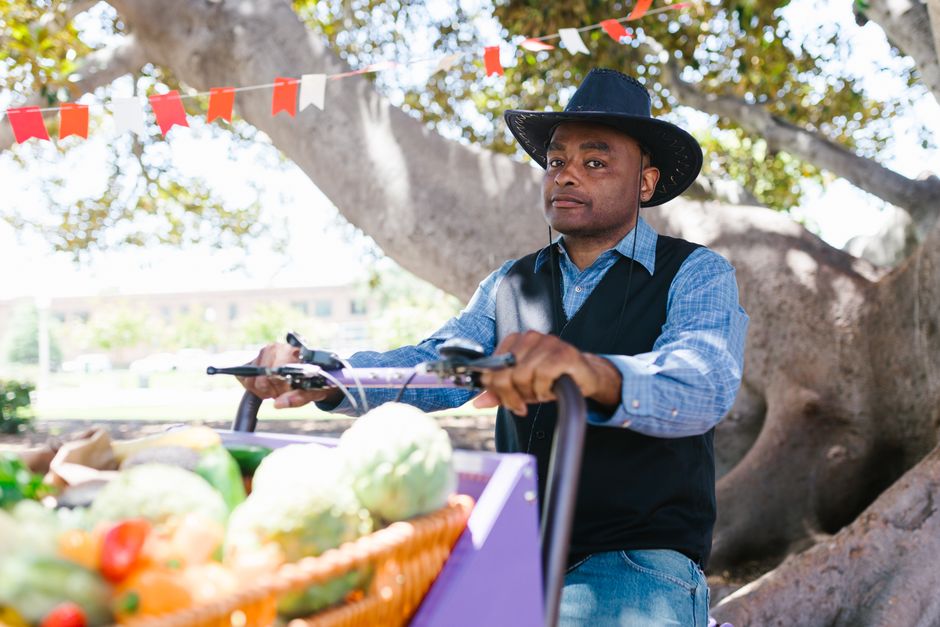
In Summary:
- Venue Requirements: Ensure you can participate without hassle.
- Financial Protection: Guard against costly claims and lawsuits.
- Peace of Mind: Focus on your business with confidence.
Having the right insurance is like having a safety net. It’s better to be prepared and never need it than to need it and not have it. As you plan your event participation, consider how event vendor insurance can protect and support your business.
How to Choose the Right Policy
Selecting the right event vendor insurance policy can feel overwhelming, but breaking it down into key components makes it simpler. Here’s how to ensure you’re getting the coverage you need without overpaying:
Coverage Options
General Liability Insurance is non-negotiable for most vendors. It covers bodily injury and property damage claims, which are common risks at events. But don’t stop there. Consider additional coverages like:
- Product Liability Insurance: Essential for food vendors, this covers claims related to foodborne illnesses or allergic reactions.
- Auto Liability Insurance: If you use a vehicle for your business, this protects against accidents during transportation.
- Workers’ Compensation: Required if you have employees. It covers medical expenses and lost wages if an employee is injured on the job.

Policy Limits
Policy limits dictate the maximum amount your insurance will pay for a covered loss. Higher limits offer more protection, but also increase premiums. Consider the scale of your operations and potential risks:
- Small Events: Lower limits might suffice.
- Large Events: Opt for higher limits, especially if you’re dealing with high foot traffic or expensive equipment.
Cost Considerations
Insurance costs can vary widely. Here are factors affecting your premium:
- Type of Business: A food vendor may pay more than a craft vendor due to higher risk.
- Event Frequency: Annual policies might be cheaper if you attend many events.
- Deductibles: Higher deductibles can lower premiums but mean more out-of-pocket costs during a claim.
Tips for Cost Management:
- Bundle Policies: Combining general liability with other coverages can offer discounts.
- Compare Quotes: Shop around and compare policies from different providers.
Choosing the right policy involves balancing adequate coverage with cost-effectiveness. Consider your business’s specific needs and risks to find a policy that offers the best protection for your situation.
By understanding these elements, you can confidently select an event vendor insurance policy that safeguards your business while fitting your budget.
Frequently Asked Questions about Event Vendor Insurance
What kind of insurance do you need as a vendor?
When setting up as a vendor at events, there are several types of insurance you might need to consider:
General Liability Insurance: This is crucial. It protects you against claims of bodily injury or property damage that might occur during an event. It’s often required by event organizers.
Auto Liability Insurance: If you’re using a vehicle to transport goods or equipment to the event, this coverage is necessary. It protects against accidents that happen while driving for business purposes.
Workers’ Compensation: If you have employees, this insurance is typically required. It covers medical expenses and lost wages if an employee gets injured while working.
Product Liability Insurance: Especially important for food vendors, this insurance covers claims related to harm caused by your products, like foodborne illnesses.
What is a vendor’s endorsement in insurance?
A vendor’s endorsement is an addition to your insurance policy that extends coverage to protect you from claims related to the products you sell. This is particularly useful for those selling goods at events, as it can cover issues like product defects or safety concerns that might arise.
How much does vendor insurance cost?
The cost of event vendor insurance can vary based on several factors:
Type of Business: The nature of your business affects your premium. For example, a food vendor might face higher costs due to increased risks compared to a craft vendor.
Coverage Limits: Higher coverage limits mean more protection but also increase the cost.
Frequency of Events: If you attend many events, an annual policy might be more cost-effective than purchasing separate coverage for each event.
Deductibles: Choosing a higher deductible can lower your premium, but be prepared for higher out-of-pocket costs if you need to make a claim.
Pricing can start as low as $75, but compare quotes and consider bundling policies for possible discounts. Always assess your specific needs to ensure you’re getting the best coverage at a reasonable price.
Conclusion
Choosing the right event vendor insurance is crucial for protecting your business and ensuring peace of mind. At Strange Insurance Agency, we understand the unique challenges vendors face and offer comprehensive coverage options custom to your needs. Whether you’re a caterer, photographer, or craft vendor, we’ve got you covered with policies designed to protect against liability risks like bodily injury, property damage, and personal injury.
We pride ourselves on providing quick service and affordable premiums. Our partnership with Goosehead Insurance allows us to offer multiple quotes from over 30 top insurance companies, ensuring you get the best coverage without breaking the bank. With locations in Virginia, North Carolina, West Virginia, and Florida, we’re well-positioned to serve vendors across the U.S.
When it comes to securing your spot at events, don’t leave anything to chance. Our dedicated team is here to help you steer the complexities of vendor insurance, offering personalized assistance every step of the way. Protect your business, safeguard your assets, and focus on what you do best—creating memorable experiences for your customers.
For more information on our business insurance services, visit our Business Insurance page and get started with a quote today. Let Strange Insurance Agency be your trusted partner in securing your event vendor insurance needs.