
Why Florida Residents Need Flood Insurance Protection
For Florida homeowners and renters, getting an fl flood insurance quote is essential. Flooding is one of the state’s most significant natural disaster risks, and this guide will help you get started.
Quick Steps to Get Your FL Flood Insurance Quote:
- Gather property details – address, year built, square footage, foundation type
- Check your flood zone using FEMA’s flood map service
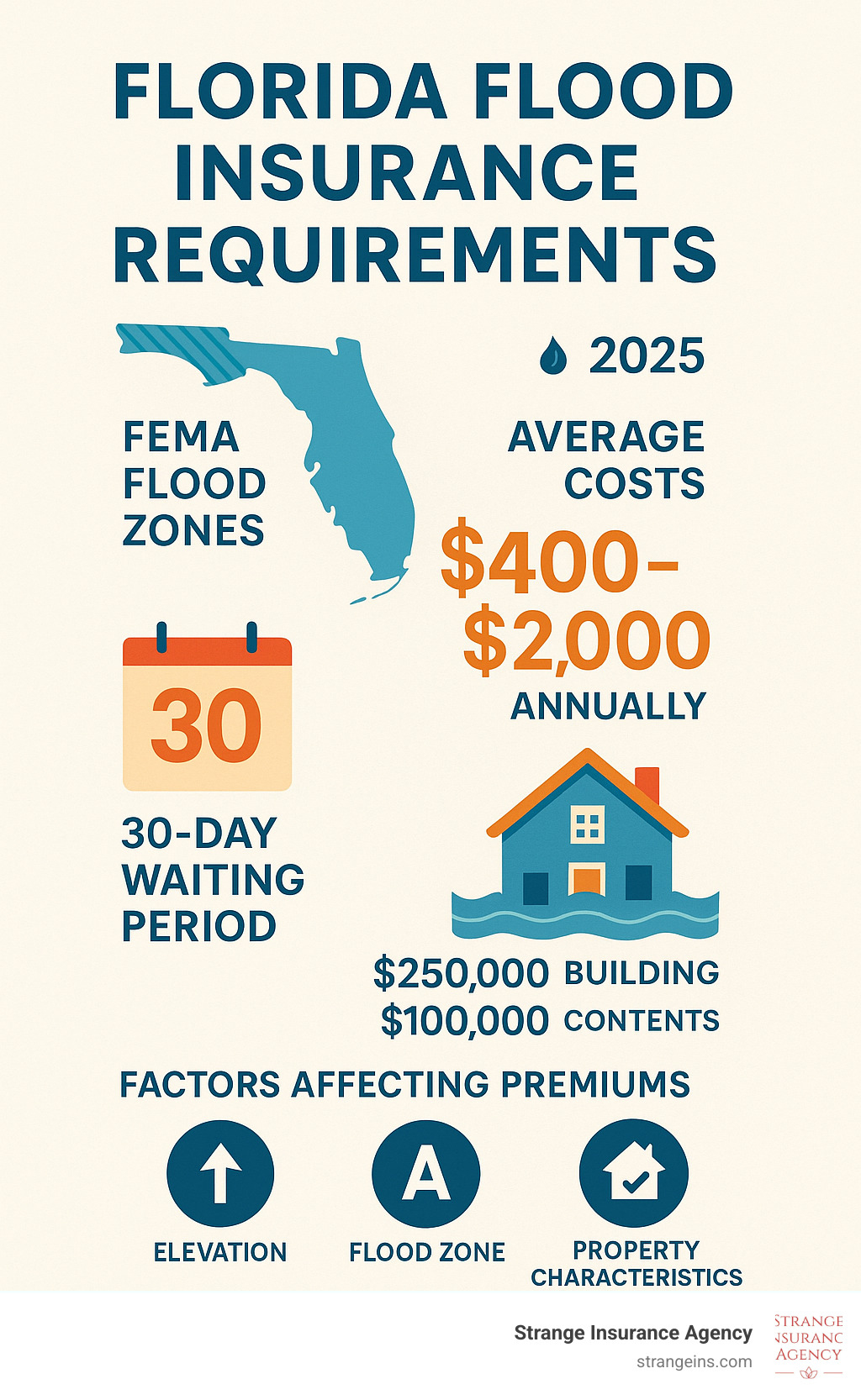
- Choose coverage amounts for building and contents (up to $250,000/$100,000 with NFIP)
- Compare quotes from National Flood Insurance Program and private insurers
- Apply online or through an agent – most quotes ready in 10 minutes or less
- Plan for 30-day waiting period before coverage takes effect
Florida’s geography makes it highly vulnerable to flooding from high precipitation, tropical storms, and hurricanes. In fact, 83% of Category 4 or higher storms that have struck the U.S. have impacted Florida the most, according to weather data.
Crucially, standard homeowners insurance does not cover flood damage. With just one inch of floodwater capable of causing over $25,000 in damage, flood insurance is a financial necessity, not an option.
Even inland areas are at risk; for example, South Tampa experiences severe yearly flooding, demonstrating that flood risk extends beyond coastal communities.
As Christian Strange, with over 15 years of experience in insurance and risk management, I’ve helped countless Florida families secure proper flood protection. My expertise in financial risk mitigation ensures you get the coverage you need at competitive rates.
Key fl flood insurance quote vocabulary:
- how to get a flood insurance quote
- Private flood insurance companies
- does flood insurance quote differ for different companies
Why Flood Insurance is a Necessity in the Sunshine State
Florida’s beautiful weather and geography also bring significant flood risks that residents can’t afford to ignore. The state’s low-lying peninsula, high precipitation levels, and frequent tropical storms make it uniquely vulnerable. This isn’t just a coastal problem; inland areas like South Tampa also face severe yearly flooding.
Your standard homeowners policy does not cover flood damage. Just one inch of water can cause over $25,000 in damage, making an fl flood insurance quote essential for your financial protection.
For more details on how flood coverage works alongside your existing homeowners policy, check out our guide on Homeowners and Flood Insurance Quotes.

What Flood Insurance Covers
When you review your fl flood insurance quote, you’ll see coverage divided into two main areas: your building structure and your personal belongings.
Building coverage protects the physical structure of your home, including the foundation, walls, floors, electrical systems, plumbing, central air, and heating equipment. It also covers built-in appliances like refrigerators and dishwashers. The National Flood Insurance Program (NFIP) offers up to $250,000 in building coverage.
Personal property coverage protects your belongings inside the home, such as furniture, clothing, and electronics. This contents coverage is separate and available up to $100,000 through NFIP policies.
One in five flood insurance claims come from low-risk areas. This statistic highlights that even if you aren’t in a designated high-risk zone, you could still face flood damage from heavy rains or overwhelmed drainage systems.
What Standard Policies Exclude
Understanding what flood insurance doesn’t cover is just as important. Policies typically exclude:
- Earth movement like landslides or sinkholes, even if caused by flooding.
- Additional living expenses for hotel stays during repairs (a key difference from homeowners policies).
- Currency, valuable papers, and important documents.
- Exterior features like decks, patios, swimming pools, landscaping, and fences.
- Damage from moisture, mildew, or mold that could have been prevented by the homeowner.
- Vehicles, which are covered by the comprehensive portion of your auto insurance policy.
How to Get an FL Flood Insurance Quote: A Step-by-Step Guide
Getting an fl flood insurance quote is simpler than you might think. Being prepared with the right information saves time and helps us provide the most accurate quote possible.

Here’s how to get your quote:
Step 1: Gather Your Property Information
To get the most competitive fl flood insurance quote, collect these details about your property:
- Property address
- Year your home was built (Newer homes may have lower premiums due to stricter building codes)
- Square footage
- Foundation type (e.g., concrete slab, raised on pilings, crawl space)
- Number of floors
- Prior flood history, even from before you owned the home
- Desired coverage limits for the building and your personal belongings
- Desired deductible amount (A higher deductible typically lowers your premium)
With this information, most quotes are ready in 10 minutes or less. To begin, check out our Instant Online Flood Insurance Quote option.
Step 2: Determine Your Flood Zone
Your property’s flood zone, determined by FEMA, indicates its flood risk and directly impacts your insurance requirements and cost.
- Special Flood Hazard Areas (SFHA): These are high-risk zones (labeled A, V, etc.). If you live here and have a federally backed mortgage, flood insurance is mandatory.
- Moderate-to-low risk zones: These zones (labeled B, C, or X) do not have a mandatory purchase requirement, but insurance is still strongly recommended, as a significant number of flood claims occur in these areas.
You can find your flood zone by entering your address at The Federal Emergency Management Agency’s Flood Map Service Center.
Step 3: Understand the Elevation Certificate (EC)
An Elevation Certificate (EC) is a document created by a licensed professional that details your property’s elevation relative to the Base Flood Elevation (BFE)—the height floodwaters are expected to reach in a major flood.
Under FEMA’s new Risk Rating 2.0 system, an EC is not always required to get an fl flood insurance quote. The new system considers many factors, including distance to water sources and local flood frequency.
However, if you already have an EC, you should provide it. The information, particularly your home’s first-floor height, can still be a key factor in calculating your premium. It might not be mandatory, but it could potentially lower your rate.
Comparing Your FL Flood Insurance Quote Options
When seeking an fl flood insurance quote, you have two primary options: the National Flood Insurance Program (NFIP) and the private flood insurance market. Each has distinct benefits.
| Feature | National Flood Insurance Program (NFIP) | Private Flood Insurance |
|---|---|---|
| Provider | Managed by FEMA, sold through private WYO companies and NFIP Direct. | Offered by private insurance companies. |
| Coverage Limits | Building: Up to $250,000; Contents: Up to $100,000. | Often higher limits, sometimes up to $500,000 or more for building and contents. |
| Coverage Scope | Standardized, covers direct physical loss by flood. | Can offer broader coverage, including additional living expenses, business interruption (for commercial), and lower deductibles. |
| Pricing | Historically based on flood zone and elevation. Now uses Risk Rating 2.0. | Risk-based pricing, often competitive, especially for lower-risk properties. |
| Waiting Period | Typically 30 days. | Can be shorter (e.g., 7-14 days), but varies by insurer. |
| Eligibility | Available in participating communities. | Varies by insurer; may have different underwriting criteria. |
| Mandatory | Often required by federally backed mortgages in high-risk zones. | Accepted by lenders as an alternative to NFIP. |
National Flood Insurance Program (NFIP) vs. Private Insurance
The NFIP, managed by FEMA and backed by the federal government, has been the standard for flood protection since 1968. It offers reliable, standardized coverage with building protection up to $250,000 and contents up to $100,000.
The private flood insurance market has grown significantly, offering competitive alternatives. Key advantages often include:
- Higher coverage limits, which is crucial for higher-value Florida properties.
- Broader coverage options, such as additional living expenses if you’re displaced from your home.
- Potentially more competitive pricing, as private insurers use their own sophisticated risk models.
We work with both NFIP options and reputable Private Flood Insurance Companies to provide a comprehensive comparison. You can also learn more about the National Flood Insurance Program from FEMA’s official site.
Factors That Influence Your Insurance Cost
Your fl flood insurance quote is based on your property’s specific risk. Key factors include:
- Flood Risk Zone: High-risk zones (A and V) typically have higher premiums.
- Property Elevation: A home’s elevation relative to the Base Flood Elevation (BFE) is critical. Homes on pilings or raised foundations often have lower rates.
- Building Characteristics: Construction materials, foundation type, number of floors, and age of the home all impact the premium.
- Deductible & Coverage Amounts: A higher deductible lowers your premium, while higher coverage limits increase it. It’s a balance between upfront cost and out-of-pocket risk.
- Claims History: A property’s past flood claims, even from previous owners, can influence rates.
- FEMA’s Risk Rating 2.0: This new system provides more equitable pricing by analyzing individual risk factors like distance to water, flood frequency, and replacement cost, rather than just the flood zone.
At Strange Insurance, we help you find the Best Flood Insurance Rates by comparing options and explaining how these factors affect your quote.
Finalizing Your Policy and Preparing for a Flood
After selecting your fl flood insurance quote, a few final steps remain to activate your protection. Understanding the waiting period and claims process is crucial.

The 30-Day Waiting Period
Most NFIP policies have a 30-day waiting period before coverage begins. This means you cannot wait until a storm is approaching to buy a policy. The waiting period encourages proactive planning.
There are exceptions. For example, if flood insurance is required for a mortgage closing, the coverage can often start immediately. The key takeaway is to secure your fl flood insurance quote and policy well before you need it.
How to File a Claim After a Flood
If you need to file a claim, knowing the right steps can reduce stress and expedite the process. We are here to guide you through it.
- Contact Us Immediately: Your first call should be to our agency. We will help you start the claims process with your insurance carrier.
- Document Everything: Before cleaning up, take extensive photos and videos of all damage, both inside and out. Capture the water line to show how high the floodwaters reached. This evidence is vital for your claim.
- Prevent Further Damage: If it’s safe, turn off the electricity. Remove standing water and begin drying affected areas. Keep all receipts for expenses you incur during this process.
- Meet the Adjuster: An insurance adjuster will visit to assess the damage. Be prepared to show them your documentation and provide a thorough account of the event.
- Submit a Proof of Loss: This is a formal, sworn statement detailing your claim. We will help you prepare this document accurately and submit it on time.
Acting quickly and documenting thoroughly are the keys to a successful claim.
Frequently Asked Questions about Florida Flood Insurance
We understand that flood insurance can be confusing. Here are clear answers to some of the most common questions we receive.
Can I get flood insurance if I don’t live in a high-risk flood zone?
Yes. We strongly recommend flood insurance for all Florida property owners, regardless of flood zone. Over 25% of flood insurance claims come from properties outside high-risk flood zones. Since standard homeowners insurance excludes flood damage, this coverage provides a critical financial safety net against losses from heavy storms or overwhelmed drainage systems.
How does FEMA’s Risk Rating 2.0 affect my fl flood insurance quote?
FEMA’s Risk Rating 2.0 provides a more individualized and accurate fl flood insurance quote. Instead of relying only on broad flood zones, it assesses specific factors like your property’s distance to water, local flood frequency, types of flood risk (coastal, river, rainfall), and your home’s unique characteristics like foundation type, elevation, and replacement cost. This approach aims to make pricing more equitable by basing it on a property’s true risk.
Is an Elevation Certificate required for an fl flood insurance quote?
No, an Elevation Certificate (EC) is not required to get an fl flood insurance quote. This is a significant change from the old system. However, if you already have an EC, submitting it is optional and may help lower your premium if it shows your home is liftd well above the expected flood level. It can only help your rate, never hurt it. If you don’t have one, we can still provide a comprehensive quote without any delay.
Conclusion
In Florida, flooding is an inevitable risk. From annual hurricane seasons to heavy rainfall, the threat is constant and extends far beyond our coastlines. Standard homeowners insurance does not cover flood damage, leaving you financially vulnerable.
This guide has outlined how to get your fl flood insurance quote, from understanding the risks to comparing policy options. The process is straightforward with the right support.
At Strange Insurance Agency, we simplify insurance. As a concierge agency with access to over 30 carriers, we provide multiple fl flood insurance quotes to find you comprehensive coverage that fits your budget. We understand Florida’s unique challenges and explain your options in plain English, so you can make an informed decision to protect your most valuable asset.
The 30-day waiting period on most policies means you can’t wait for a storm to approach. The best time to secure flood insurance is now, when you have time to make a thoughtful choice.
Don’t leave your home and financial future unprotected. Take the first step today.
Ready to get started? Learn more about protecting your property with Flood Insurance and let us help you secure the peace of mind that comes with proper flood protection.