
Why Every Startup Needs General Liability Protection from Launch Day
General liability insurance for startups protects your new business from costly third-party claims, lawsuits, and unexpected accidents that could otherwise bankrupt your company.
Quick Answer for Startup Founders:
- What it covers: Bodily injury, property damage, advertising injury, and legal defense costs
- Average cost: $42-$85 per month for most startups
- When you need it: Before signing leases, hiring employees, or meeting with clients
- Why it matters: Required by landlords, clients, and investors – plus protects your personal assets
Starting a business is exciting, but it comes with real risks. A customer could slip and fall, your marketing could accidentally use copyrighted material, or an employee could damage a client’s property. Without proper coverage, these scenarios could cost tens of thousands in legal fees and settlements.
The research shows that two of every three repeat startup founders make insurance an integral part of their early growth plans. Why? Because experienced entrepreneurs understand that insurance isn’t just protection – it’s a business enabler that helps you secure leases, win contracts, and gain investor confidence.
I’m Christian Strange, and I’ve spent over 15 years helping businesses steer insurance challenges. Through my work at Strange Insurance Agency, I’ve seen how the right general liability insurance for startups can mean the difference between a minor setback and a business-ending catastrophe.
Basic general liability insurance for startups vocab:
- Virginia small business insurance
- what does business liability insurance cover
- liability insurance cover
Why General Liability Insurance is a Non-Negotiable for Your Startup
General liability insurance for startups isn’t optional; it’s as essential as your business license or bank account.
When building your company, you face what the insurance industry calls “third-party claims.” These are situations where someone outside your business—a client, visitor, or vendor—has a problem that could cost you money. These issues happen more often than you might think.
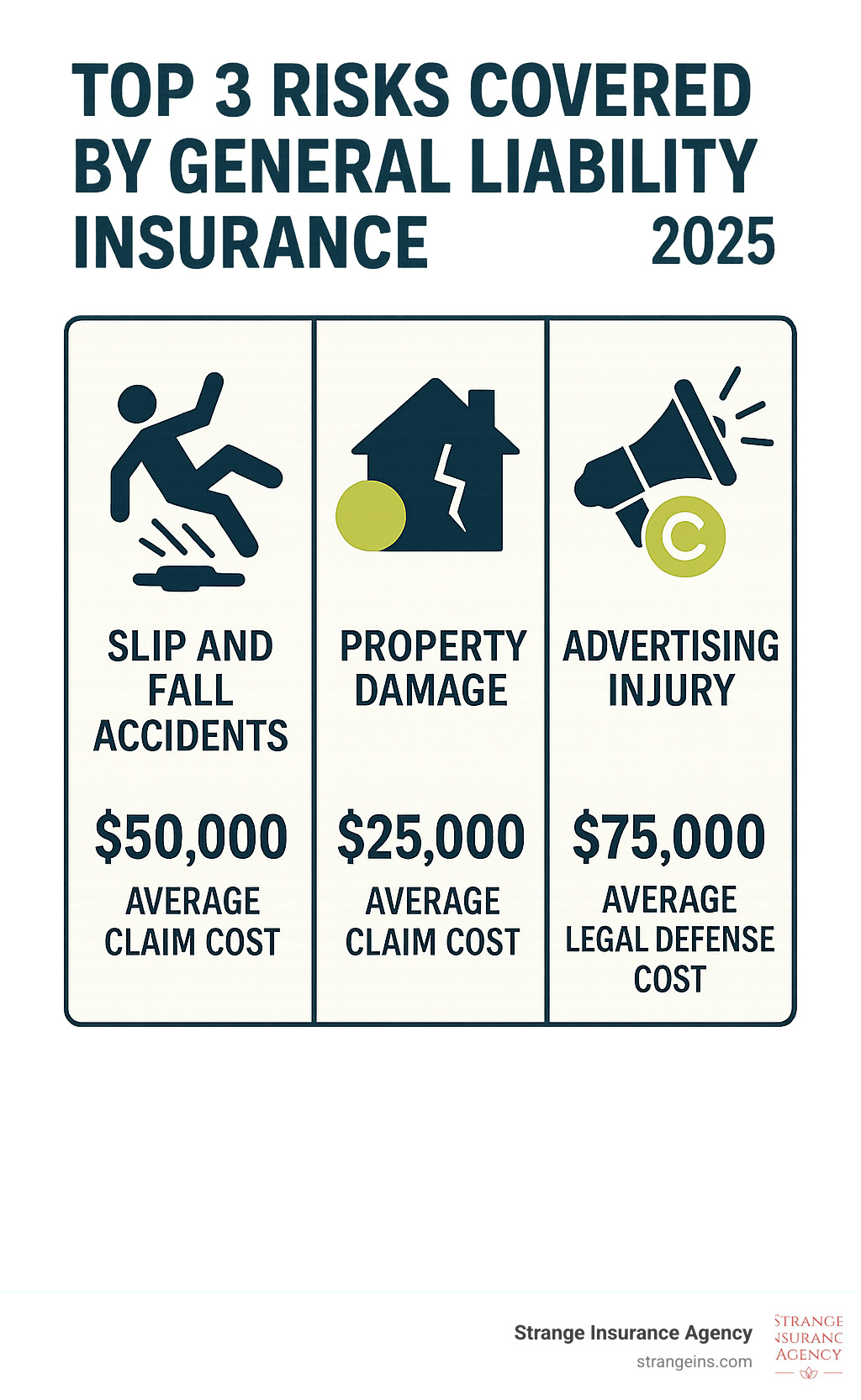
Bodily injury claims are probably the most straightforward. Picture this: a potential investor visits your office and slips on a spilled coffee. Suddenly, you’re looking at medical bills, lost wages, and possibly a lawsuit. Without coverage, that could be tens of thousands out of your startup’s limited budget.
Property damage is another big one. Maybe your team is setting up for a client presentation and accidentally knocks over their expensive equipment. Or perhaps your marketing materials damage a venue during a trade show. These accidents happen, even to the most careful teams.
Advertising injury might surprise you, as it’s not about physical harm. This covers claims like libel, slander, or copyright infringement in your marketing. It’s easier than you think to accidentally use someone else’s image or slogan without permission.
What really matters are the legal defense costs. Even if a claim against your startup is baseless, defending it in court can drain your resources. Your general liability insurance for startups covers these legal fees, settlements, and judgments up to your policy limits.
The numbers don’t lie. Research shows that two of every three repeat startup founders make insurance an integral part of their early growth plans. These experienced entrepreneurs understand something crucial: insurance isn’t just about protection—it’s about enabling growth and building credibility.
Beyond protecting your bank account, coverage helps build client trust, meets contract requirements, satisfies landlord requirements, and helps with investor expectations. It shows you’re thinking strategically about risk management.
To understand exactly what scenarios you’ll be protected from, check out our detailed guide on what does business liability insurance cover.
Building Credibility and Securing Partnerships
In the startup world, proof of insurance is like a good credit score—it opens doors. When potential clients, partners, or investors see you’ve invested in general liability insurance for startups, they view you as more professional and less risky.
The magic document here is the Certificate of Insurance (COI). This simple paper lists your coverage and limits, proving you’re insured. Many larger companies won’t schedule a meeting until they have your COI on file. It’s become a standard in business relationships.
Think of this as a competitive advantage. While other startups scramble to get coverage when a big contract demands it, you’ll already be ready. This preparation demonstrates the forward-thinking that impresses clients and investors.
Having coverage also helps with attracting talent. Top employees want to work for companies that take risk management seriously. It provides peace of mind for everyone involved. Instead of worrying about potential disasters, you can focus on what you do best: growing your business.
For more details on how this type of coverage works, explore our guide on business public liability.
Legal and Contractual Obligations
Sometimes, getting general liability insurance for startups isn’t just smart—it’s required. Here are the most common situations where you’ll need proof of coverage.
Lease agreements are probably where you’ll first encounter this requirement. Almost every commercial landlord will demand general liability insurance before handing over the keys. They want protection in case someone gets hurt on their property or your business causes damage. No insurance means no office space.

Client contracts are another big area. Established companies will often require insurance coverage before signing an agreement. This protects them if something goes wrong during your work together, especially if your business involves visiting their offices or handling their property.
Vendor agreements work similarly. Your suppliers may require proof of insurance to protect themselves from liability if something goes wrong.
Don’t forget about state regulations. While general liability insurance isn’t required everywhere, some states, cities, or professional licensing boards mandate it for certain businesses. Always check local requirements to stay compliant.
If you’re an independent contractor, these requirements still apply. Learn more about how general liability insurance for independent contractors can help you meet these obligations.
Understanding Your General Liability Insurance for Startups Coverage
Choosing the right insurance for your startup doesn’t have to be overwhelming. Understanding what general liability insurance for startups covers (and what it doesn’t) helps you make smart decisions to protect your business without breaking the bank.
The key is knowing how general liability fits into your overall insurance strategy. It’s often the foundation, but it’s not the only coverage most startups need. Think of it as your concrete foundation—you’ll likely need other types of coverage to complete the structure.
Here’s how the main business insurance types compare:
| Insurance Type | What it Covers | What it Doesn’t Cover (typically) | Who Needs It |
|---|---|---|---|
| General Liability | Bodily injury to third parties, property damage to third parties, advertising/personal injury (libel, slander, copyright infringement), legal defense costs. | Professional mistakes, employee injuries, company property, data breaches, vehicle accidents. | Most businesses, especially those interacting with the public, clients, or physical spaces. |
| Professional Liability (E&O) | Claims of negligence, errors, or omissions in your professional services or advice that cause financial harm to a client. | Physical injury, property damage, advertising injury. | Service-based businesses (consultants, tech, marketing, legal, medical). |
| Business Owner’s Policy (BOP) | Bundles general liability and commercial property insurance, often with business interruption coverage. | Professional mistakes, employee injuries, vehicle accidents. | Small, low-risk businesses that need both general liability and property coverage. |
Every policy comes with specific policy limits (the maximum your insurer will pay) and deductibles (what you pay before coverage kicks in). Understanding these details helps you choose coverage that matches your budget and risk tolerance. For additional insights, check out these Tips & Considerations Concerning Liability Insurance.
What General Liability Insurance Covers
General liability insurance for startups protects you from the everyday accidents that can happen when running a business. These situations might seem unlikely, but they’re more common than you’d think.
Slip-and-fall accidents are a classic example because they happen so frequently. A client could visit your office, trip on a loose cable, or slip on a wet floor. Without insurance, you could face thousands in medical bills and legal fees.

Damage to client property is another area where startups get caught off guard. Maybe you’re at a client’s office and accidentally knock over their expensive monitor, or your team spills coffee on their laptop. These accidents can strain client relationships and your cash flow if you’re not covered.
Libel and slander claims are very real in today’s digital world. If someone claims your startup made false statements that damaged their reputation, you could face a costly lawsuit. This coverage extends to your social media posts, blog content, and even casual comments.
Copyright infringement in advertising is common as startups create marketing content quickly. Using the wrong stock photo, music, or logo can lead to expensive legal battles. Your general liability policy helps cover these costs.
Medical payments coverage is like a peace offering for minor injuries. If someone gets a small cut on your premises, you can pay their immediate medical costs without admitting fault. This goodwill gesture often prevents bigger problems.
What It Doesn’t Cover: Key Distinctions
Understanding what general liability insurance for startups doesn’t cover is just as important as knowing what it does. These gaps are intentional exclusions that require separate, specialized coverage.
Professional mistakes are a big surprise for new entrepreneurs. If your consulting advice costs a client money, or your web design crashes during their big sale, general liability won’t help. You need Errors and Omissions Insurance for professional liability claims.
Employee injuries fall under a different category. When your team members get hurt on the job, that’s covered by Workers’ Compensation Insurance, which is required by law in most states once you have employees.
Company vehicles need their own protection through Commercial Auto Insurance. This includes cars you own, lease, or even personal vehicles used for business. A fender-bender on the way to a client meeting isn’t covered by general liability.
Data breaches and cyber attacks require specialized cyber liability coverage. With many startups handling sensitive customer data, this gap can be devastating if you’re not prepared.
Damage to your own property—your office equipment, inventory, or building—needs commercial property insurance. General liability only covers damage you cause to other people’s property, not your own.
The good news? At Strange Insurance, we help you identify these gaps and find coverage that fits your specific needs and budget. Understanding these distinctions helps you build a complete protection plan as your startup grows.
How to Secure the Right Policy for Your New Venture
Getting the right general liability insurance for startups doesn’t have to be overwhelming. Like building your tech stack, you want something that works well, fits your budget, and grows with your business.

The process breaks down into three manageable steps: assessing your startup’s risks, figuring out what you’ll pay, and getting your policy set up. At Strange Insurance, we handle the heavy lifting while you focus on growing your business.
Ready to get started? You can explore Liability Insurance Quotes right now, or let’s walk through what makes each startup’s insurance needs unique.
Step 1: Assess Your Startup’s Unique Risks
Every startup has its own risk fingerprint. A SaaS company in a shared office faces different challenges than a food truck or a consulting firm visiting client sites.
Your industry type is the biggest factor. A tech startup might worry about copyright claims, while a retail business deals with customers in their space daily. We help you steer Insurance by Industry to ensure you’re not missing anything important.
Location matters too. Are you in a busy downtown area or a quiet suburban office? Each scenario changes your exposure to accidents. Our expertise in Virginia Small Business Insurance means we understand local factors that affect your coverage needs.
Think about your client interactions. Do customers visit your office? Do you meet clients at their locations? Are you attending trade shows? The more face-to-face contact you have, the more opportunities for accidents exist.
Even if you’re mostly remote, you still need protection. You might rent conference rooms, work from co-working spaces, or have team members visit clients. These activities all create potential liability.
The number of employees also influences your risk profile. While general liability doesn’t cover employee injuries, more team members usually means more interactions with the public and more chances for something to go wrong.
Step 2: Understand the Cost of General Liability Insurance for Startups
Here’s the good news: general liability insurance for startups is usually more affordable than founders expect. Most startups can get solid coverage for less than their monthly software subscriptions.
The national median cost sits around $60 per month, with average premiums running about $85 monthly. But many of our startup clients pay as little as $42 per month. That’s roughly $500-$1,000 per year for protection that could save you tens of thousands in legal fees.
What drives these costs? Your industry is the biggest factor—a consulting firm typically pays less than a construction company. Your business location affects pricing, since legal costs and claim frequencies vary by area.
Your coverage limits and deductibles also impact your premium. Higher limits mean more protection but cost more. A lower deductible means you pay less out-of-pocket for a claim, but your monthly premium goes up.
If you have a clean claims history (or no history as a new business), you’ll typically get better rates. As your business grows and proves its track record, you might even see costs go down.
We work with over 30 insurance companies to find the best combination of coverage and price. We shop around so you don’t have to.
Step 3: Purchase and Manage Your Policy
Once you know what you need and what it costs, getting your policy is straightforward. We handle most of the paperwork, making the process as smooth as possible.
The application process involves sharing basic information about your business: what you do, where you operate, your team size, and your risks. We use this to get you multiple quotes from different carriers, so you can compare options.
After you purchase your policy, you’ll get your policy documents and your Certificate of Insurance (COI). This certificate is your golden ticket for signing leases, landing client contracts, and proving you’re an insured professional. We make sure you can access your COI quickly whenever you need it.
Your insurance needs will change as your startup grows. You might hire more employees, move to a bigger office, or offer new services. That’s why reviewing your coverage annually is so important. We’ll check in with you regularly to make sure your policy still fits.
Think of us as your insurance partner, not just a one-time vendor. As your business evolves, we’re here to adjust your coverage, answer questions, and help you steer any claims. Have questions? Reach out to us at Contact Us—we’re here to help.
Frequently Asked Questions about General Liability Insurance for Startups
I get these questions all the time from startup founders, and they’re great questions. Let’s tackle the most common concerns about general liability insurance for startups so you can make informed decisions.
Do I still need general liability insurance if my startup is an LLC?
Absolutely, yes. This is a major misconception. Many founders think their LLC paperwork is a magical lawsuit shield, but it’s not that simple.
Your LLC structure creates a legal separation between you and your business. This means if your startup is sued, your personal assets are generally protected. But your LLC itself can still get sued.
Picture this: A client slips and falls in your office and decides to sue. Your LLC status won’t make the lawsuit disappear. Without general liability insurance for startups, your business would have to pay the legal bills, medical costs, and potential settlement from its own bank account. That could easily wipe out your startup’s cash flow.
So while your LLC protects your personal assets, it doesn’t protect your business from lawsuits. That’s exactly what general liability insurance does—it covers business liability and lawsuit costs so your startup can survive.
Is general liability insurance tax-deductible for a startup?
Yes, this is a silver lining of business insurance costs. The IRS typically considers general liability insurance for startups premiums an ordinary and necessary business expense. This means you can usually deduct them from your business’s taxable income, reducing what you owe in taxes.
Think of it as the government helping you pay for protection. Every dollar you spend on premiums potentially reduces your tax bill, making the real cost of insurance lower than the sticker price.
But here’s my standard disclaimer: tax rules can be tricky. I always recommend consulting with a qualified tax professional to confirm your specific situation and understand all the IRS guidelines that apply to your startup.
One practical tip: keep excellent records of all your insurance payments. Good record-keeping is essential when tax time rolls around and you want to claim those deductions.
How much general liability coverage does my startup need?
I can’t give a single number, as it depends on several key factors. The good news is we can work together to find the right fit for your situation.
Contract requirements often give you a starting point. Many clients and landlords will specify minimum coverage amounts in their agreements—commonly $1 million per occurrence with a $2 million aggregate. If you’re seeing these numbers in your contracts, that’s your baseline.
Industry standards play a huge role. A tech startup has different risk exposure than a retail business with foot traffic. We help businesses understand typical coverage amounts for their specific industry.
Your risk tolerance matters as well. Some founders prefer higher limits for extra peace of mind, while others start with basic coverage and scale up as they grow. Higher coverage limits mean higher premiums, but they also provide more protection.
I’m a big fan of scalable coverage for startups. You don’t need to buy insurance for a Fortune 500 company when you’re just getting started. We can set you up with solid baseline protection and adjust your coverage as your business expands.
Our job is to help you find the balance between adequate protection and affordability. We’ll assess your specific situation and recommend coverage levels that make sense for your startup’s current needs and future growth.
Protect Your Future: The Smart Move for Every Founder
Starting a business takes courage. You’re putting your dreams, time, and money on the line. While focused on your product and customers, it’s easy to push insurance to the bottom of your to-do list. But general liability insurance for startups isn’t just another business expense—it’s the foundation that lets you build with confidence.
Think about it this way: you wouldn’t build a house without a solid foundation. Your startup deserves the same thoughtful protection. This coverage shields your hard work from unexpected moments that could wipe out months or years of progress. A single lawsuit or accident could drain your startup funds faster than a failed product launch.
The smartest founders—the ones building their second or third companies—know this secret. They don’t wait until they “need” insurance. They make it part of their launch strategy because they understand it’s not just about protection. It’s about enabling growth.
With the right coverage, you can sign that perfect office lease without hesitation. You can pitch to big corporate clients knowing you meet their insurance requirements. You can hire talented employees who see your professionalism. You can sleep better knowing one accident won’t destroy everything you’ve built.
General liability insurance for startups transforms from a cost center into a business enabler. It gives you the credibility to compete and the peace of mind to take calculated risks.
At Strange Insurance, we get it. We’ve worked with countless startups across Virginia, North Carolina, and beyond. As a concierge agency, we take the headache out of finding the right coverage. Instead of spending hours researching policies, we bring you multiple quotes from over 30 top-rated companies. We find coverage that fits your specific needs and budget—not a one-size-fits-all solution.
Your startup represents your vision for the future. Don’t let an uninsured risk turn that vision into a cautionary tale. The smart move is simple: protect what you’re building so you can focus on building it bigger.