
Protecting Your Investment: The Gap Between Homeowners and Landlord Insurance
Homeowners insurance policy for rental property is not adequate protection for landlords. Standard homeowners policies are designed for owner-occupied homes and typically exclude damage that occurs while the property is being rented out.
| Homeowners vs. Landlord Insurance | Key Differences |
|---|---|
| Coverage Type | Homeowners (HO3) policies cover owner-occupied homes; Landlord (DP3) policies cover rental properties |
| Cost Difference | Landlord insurance costs about 25% more than standard homeowners insurance |
| Average Annual Cost | Homeowners: ~$1,754 vs. Landlord: ~$2,193 |
| Key Exclusion | Standard homeowners policies typically don’t cover damage occurring during rental use |
| Required By | Not legally required, but most mortgage lenders mandate it for rental properties |
Many property owners assume their existing homeowners insurance will extend to rental units, but that’s not always the case. When you convert your residence into a rental property, you’re essentially turning your home into a business asset with different risk exposures.
“Renting out your property usually means you need dwelling property insurance to make sure you’re properly protected. That’s true for short-term rentals, too.”
The moment you hand over keys to a tenant, your insurance needs change dramatically. Your standard policy may not cover tenant-caused damage, liability claims from renters or their guests, or lost rental income if the property becomes uninhabitable after a covered loss.
I’m Christian Strange, and with over 15 years of experience in risk mitigation and insurance, I’ve helped countless property owners steer the complex transition from homeowner to landlord, ensuring they have the proper homeowners insurance policy for rental property coverage that protects their investment and income.
Do You Need a Homeowners Insurance Policy for Rental Property—or Landlord Insurance?

Congratulations on your rental property venture! But wait – that regular homeowners policy in your filing cabinet? It might not be the safety net you think it is.
When you hand over the keys to tenants, you’re stepping into a new role. You’re not just a homeowner anymore; you’re running a small business. This fundamental shift creates a coverage gap that most standard policies weren’t built to handle.
Insurance companies see rental activities as a business exposure, which falls outside what a standard HO-3 homeowners policy covers. The consequences can be serious and expensive:
Your claim for that water damage during your tenant’s lease? Denied. That policy you’ve faithfully paid for years? Potentially canceled when the insurer finds unreported rental activity. That lawsuit from your tenant’s guest who slipped on your sidewalk? Coming straight from your savings account.
“I never thought my claim would be denied – I’ve had this policy for years,” one Virginia property owner told us after learning this lesson the hard way.
If you have a mortgage, your lender will almost certainly require appropriate insurance coverage. Using the wrong policy type could violate your mortgage agreement, creating even more headaches.
“A standard homeowners insurance policy typically doesn’t cover damage that occurs when the space is being used as a rental,” confirms the Insurance Information Institute.
At Strange Insurance Agency, we specialize in helping property owners across Virginia, North Carolina, West Virginia, and Florida find the right coverage for their specific rental situation. More info about our homeowners insurance services
Homeowners insurance policy for rental property: myths vs facts
Let’s clear up some common misconceptions about using a homeowners insurance policy for rental property:
The biggest myth I hear from new landlords is that their existing HO-3 policy will cover their rental just fine. The reality? Standard policies are designed for owner-occupied homes and typically exclude coverage for business activities, including regular rental use.
Some property owners think they can simply not mention to their insurer that they’re renting out the property. This isn’t just risky – it’s considered material misrepresentation and can result in claim denials and policy cancellation.
Your mortgage lender isn’t in the dark either. They regularly verify insurance coverage and specifically require appropriate landlord coverage for rental properties to protect their investment in your property.
Landlord (Dwelling Fire) insurance at a glance
Landlord insurance (often called Dwelling Fire insurance) comes in three main forms, each offering different levels of protection:
DP-1 (Basic Form) provides the most limited coverage, typically covering only specific named perils like fire and lightning. It usually pays actual cash value (depreciated value) rather than replacement cost.
DP-2 (Broad Form) covers more perils than DP-1, including water damage from plumbing issues, but still only covers specifically named perils. This middle-ground option provides better protection at a moderate price point.
DP-3 (Special Form) offers the most comprehensive protection, covering all perils except those specifically excluded. This “open perils” approach typically pays replacement cost value and is what we recommend for most landlords who want peace of mind.
Rental Scenarios & When to Switch Coverage
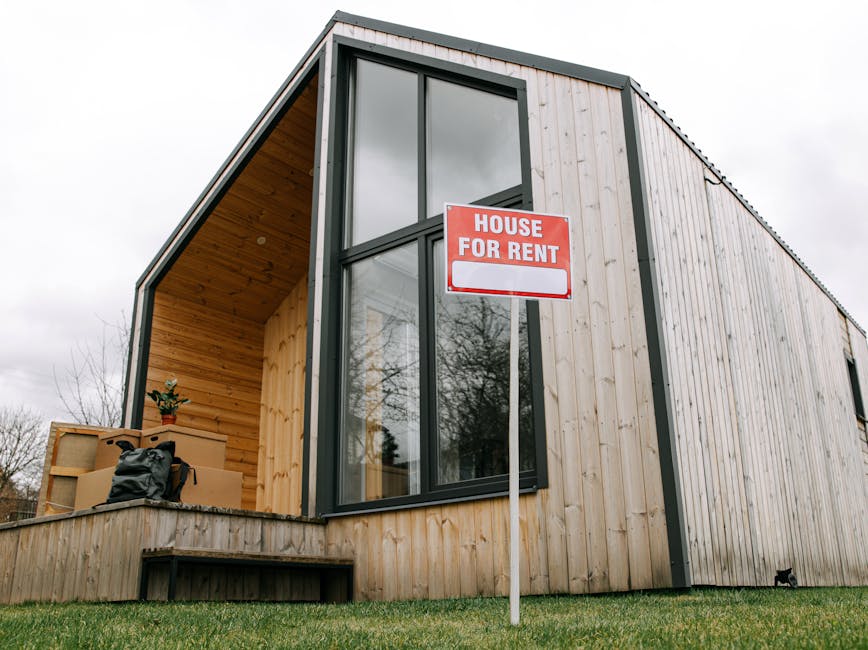
Let’s face it – renting out your property can be as simple as a weekend getaway or as complex as managing a full-time investment. The tricky part? Knowing exactly when your insurance needs to change along with your rental strategy.
| Rental Scenario | Recommended Coverage | Notes |
|---|---|---|
| One-time weekend rental | Homeowners with endorsement | Check with your insurer first |
| Occasional short-term rentals (<30 days/year) | Homeowners with short-term rental endorsement | Varies by insurer |
| Regular short-term rentals (Airbnb, VRBO) | Landlord policy or specialized short-term rental policy | Standard homeowners won’t cover |
| Long-term lease (6+ months) | Landlord (DP-3) policy | Homeowners policy won’t cover |
| Vacation home with occasional rentals | Seasonal/secondary home policy with rental endorsement | Needs vary by usage |
Occasional rentals endorsed under homeowners insurance
If you’re just dipping your toes into the rental waters – maybe renting your home while you’re away on vacation or during a special event in town – you might not need to jump ship from your homeowners policy completely.
Many insurers offer endorsements that can extend your existing coverage for limited rental use. The Unit-Owners Rental to Others Endorsement (HO 17 33) is one common example that can be a lifesaver for occasional landlords.
This type of endorsement typically extends your personal property coverage to items in the rented space, adjusts theft coverage definitions to account for tenants, and ensures the business exclusion in your policy doesn’t apply to your rental activity.
But here’s where you need to pay attention: most insurers have what I call the “30-day rule.” This means they’ll only cover rental periods totaling less than 30 days per year. Beyond that, you’re entering different territory.
“I always tell my clients to call us before they list their property on any rental platform,” says Christian Strange. “That five-minute conversation can save thousands in potential uncovered losses.”
Full-time rentals that require landlord coverage
When your property transitions from “occasionally rented” to “income property,” it’s time for a homeowners insurance policy for rental property to give way to proper landlord coverage.
You’ll need to make the switch when:
You no longer live in the property as your primary home. Once you move out and someone else moves in, the risk profile changes dramatically. Your standard homeowners policy simply isn’t designed for this scenario.
The rental unit has its own entrance. This is especially important for property owners who have converted part of their home into a separate rental unit.
You’re renting to non-family tenants for extended periods. The occasional weekend guest is one thing, but when you’re collecting monthly rent checks from tenants with a lease, you’ve entered landlord territory.
What Landlord Insurance Covers—and What It Doesn’t
Understanding what your landlord policy actually protects (and what it doesn’t) can save you thousands in unexpected costs down the road. Let’s break down the coverage so you know exactly what you’re getting:
| Coverage Type | Homeowners (HO-3) | Landlord (DP-3) |
|---|---|---|
| Dwelling Structure | ✓ | ✓ |
| Other Structures | ✓ | ✓ |
| Personal Property | ✓ (all belongings) | ✓ (limited to maintenance items) |
| Loss of Use | ✓ (additional living expenses) | ✓ (lost rental income) |
| Personal Liability | ✓ | ✓ |
| Medical Payments | ✓ | ✓ |
| Tenant Belongings | ✗ | ✗ |
| Business Property | ✗ | ✗ |
| Intentional Damage | ✗ | ✗ |
| Normal Wear and Tear | ✗ | ✗ |
| Flood/Earthquake | ✗ | ✗ |
Standard protections in a landlord policy
When you invest in a good landlord policy, you’re getting several layers of protection that work together to safeguard your rental business.
Dwelling coverage forms the foundation of your policy, protecting the actual building structure against covered perils. With a quality DP-3 policy, you’ll typically receive replacement cost coverage – meaning if disaster strikes, you’ll get enough to rebuild without depreciation deductions.
Those other structures on your property don’t get left out either. Your detached garage, garden shed, fence, even the swimming pool – they’re all typically covered at about 10% of your main dwelling coverage amount.
Your landlord policy includes coverage for personal property you own that services the rental – think refrigerators, lawnmowers, and snow blowers. Just remember, this doesn’t extend to your tenant’s belongings.
The liability protection might be the most underappreciated part of your policy. If a tenant or visitor is injured on your property, this coverage helps with legal defense costs and medical payments.
Perhaps most valuable to your bottom line is the loss of rental income coverage. If a pipe bursts and floods your rental, making it uninhabitable during repairs, this coverage reimburses you for that lost rent while the property gets fixed.
Common exclusions every landlord should know
Just as important as knowing what’s covered is understanding what’s not included in your homeowners insurance policy for rental property:
Your policy never covers your tenant’s personal belongings – that’s what renters insurance is for (and why requiring it in your lease is so smart).
While accidental damage often falls under coverage, intentional damage and normal wear and tear do not. That carpet that’s simply worn out after 10 years? That’s on you.
Maintenance issues represent another significant gap. That roof that’s been leaking for years? Insurance companies consider these preventable problems, not sudden or accidental damage.
Most policies include a vacancy clause that limits or voids coverage if your property sits empty for too long (typically 30-60 days).
Flood and earthquake damage require separate policies or endorsements – your standard landlord policy specifically excludes these perils.
For more comprehensive information about rental coverage options, the Insurance Information Institute offers an excellent resource on Coverage for renting out your home.
Cost Breakdown, Endorsements & Money-Saving Tips

Landlord insurance typically runs about 25% more than a comparable homeowners policy. The national average sits around $2,193 annually for landlord coverage, compared to $1,754 for standard homeowners insurance.
Your location plays a huge role in what you’ll pay. If you’re on the West Coast, you might see premiums between $1,200–$1,600 per year. Northeast property owners often pay $1,400–$2,000, while Midwest landlords typically see costs of $1,600–$2,030. Southern states tend to have the highest rates, ranging from $1,900–$3,000 annually.
Your specific premium will be influenced by several key factors. Property location is a major one – areas prone to hurricanes or with high theft rates will cost more to insure. Property age and condition matter too, as newer homes with updated systems generally qualify for better rates. Your chosen coverage limits and deductible amount directly impact premiums – higher coverage costs more, while higher deductibles lower your premium.
Budgeting for a homeowners insurance policy for rental property
When planning your budget for a homeowners insurance policy for rental property, look beyond just the annual premium. Start by working with your agent to complete a thorough replacement cost estimator. This critical step ensures you’re not underinsuring your property just to save a few dollars on premiums.
Consider your personal financial situation when selecting liability limits. I typically recommend carrying limits at least equal to your net worth to protect your assets in case of a lawsuit. Many of our landlord clients benefit from adding an umbrella policy for extra protection beyond their base policy limits.
Your deductible strategy matters too. While choosing a $2,500 deductible instead of $1,000 will lower your premium, make sure you actually have that money available if disaster strikes.
One of my favorite money-saving tips? Bundle discounts. Many of our clients save up to 30% by packaging their landlord policy with auto insurance or other coverage types.
More info about average rental property insurance cost
Endorsements & riders that fill the gaps
Standard landlord policies provide good baseline protection, but they’re not designed to cover every possible scenario. That’s where endorsements come in – these policy add-ons can fill crucial coverage gaps.
Equipment breakdown coverage is one of the most valuable endorsements for landlords. When the HVAC system fails in the middle of summer or the water heater gives out, this coverage helps pay for repairs or replacement – often with a much lower deductible than your main policy.
Water backup coverage is another must-have in my opinion. Standard policies typically exclude damage from backed-up sewers or drains, which can cause thousands in damage.
If you’re using your property for short-term rentals on platforms like Airbnb or VRBO, you’ll need a specific endorsement for that activity. These rentals present different risks than traditional long-term tenants.
Ordinance or law coverage becomes crucial if your property is older. If you have a partial loss, local building codes might require you to upgrade electrical, plumbing, or other systems throughout the entire property – costs that standard coverage won’t pay without this endorsement.
Don’t forget about perils that are universally excluded from standard policies. Flood insurance through the National Flood Insurance Program (NFIP) or private insurers is essential if your property has any flood risk.
How to Shop, Compare & Comply With Lender or Lease Requirements

Shopping for the right landlord insurance doesn’t have to feel overwhelming. Think of it as putting together the perfect protection package for one of your most valuable investments.
Before you start collecting quotes, take a moment to gather all the details about your rental property. You’ll need the basics like square footage and construction type, but also the age of critical systems like your roof, plumbing, electrical, and HVAC. Insurers love to know about safety features too—those smoke detectors and security systems might just save you money!
Your rental income and occupancy details matter as well. Be ready to share how much you’re earning from the property and your typical occupancy rate.
When it comes to coverage limits, think carefully about what you need. Your dwelling coverage should reflect replacement cost (what it would take to rebuild), not just market value or your loan balance.
Comparing multiple quotes is where we shine at Strange Insurance Agency. We can connect you with options from more than 30 top-rated insurance companies, letting you see different coverage options side by side.
Look beyond just the premium when reviewing policies. The cheapest option isn’t always the best value. Pay close attention to what perils are covered and what’s excluded, your deductible options, and the company’s reputation for handling claims smoothly.
If you have a mortgage on your rental property, your lender will have specific requirements for your homeowners insurance policy for rental property. Typically, they’ll want coverage that at least equals your loan balance, along with reasonable deductibles. They’ll also need to be listed as a loss payee on the policy.
Many savvy landlords also require their tenants to carry renters insurance. This smart move provides an extra layer of protection, covering tenants’ belongings and offering liability coverage that can reduce your own exposure to risk.
More info about investment property insurance
Information you’ll need to provide your insurer
When you’re ready to apply for landlord insurance, your insurer will need a complete picture of your property and how you operate it.
For the property itself, be prepared to share when it was built, its square footage, and how it’s constructed—whether it’s frame, masonry, or another building type. The number of units and bedrooms matters too, as does information about recent updates to essential systems.
Your rental operation details are equally important. How much income does the property generate? Do you rent short-term or long-term? What process do you use to screen tenants?
Safety features can actually save you money on your premium. Smoke detectors, fire extinguishers, security systems, and good exterior lighting all signal to insurers that you’re serious about preventing losses.
Comparing policies side by side
When evaluating different landlord insurance options, focusing solely on price might leave you underprotected. Instead, look at the whole package.
Coverage limits should be your first consideration. Is your dwelling coverage based on true replacement cost? For liability protection, higher limits provide better shields against potentially devastating lawsuits.
Policy exclusions tell you what isn’t covered—and this can vary significantly between insurers. Pay special attention to how policies handle water damage, tenant-caused problems, and what happens if your property sits vacant for a period of time.
Service reputation matters tremendously when you actually need to use your insurance. Before committing, research the insurer’s claims satisfaction ratings and financial stability.
The claims process itself varies between companies. Some offer 24/7 claims service with dedicated adjusters, while others might have more limited availability.
Frequently Asked Questions About Rental Property Coverage
Does the law require landlord insurance?
No state law actually requires you to have landlord insurance – not in Virginia, North Carolina, West Virginia, Florida, or anywhere else in the US. But before you celebrate this apparent freedom, there are some important realities to consider.
If you have a mortgage on your rental property, your lender will almost certainly demand appropriate insurance coverage. Using a standard homeowners insurance policy for rental property could actually put you in violation of your loan agreement.
Even without a mortgage, operating a rental without liability insurance is like walking a tightrope without a safety net. One slip – a tenant injury or property damage claim – could result in a lawsuit that puts your personal assets at serious risk.
For condo owners, your association may have its own requirements for insurance when you rent out your unit. And in some municipalities, proof of insurance is part of the rental licensing process.
How much liability coverage should landlords carry?
When it comes to liability coverage, the real question isn’t “what’s the minimum?” but rather “what could I potentially lose in a lawsuit?”
At the very minimum, most landlords should carry at least $300,000 in liability coverage. But here’s a better approach: match your liability limits to your net worth. After all, that’s what could be at risk if you’re sued.
For many property owners, an umbrella policy makes the most sense. These policies provide an additional $1 million to $5 million in coverage above your base policy limits, often at a surprisingly affordable rate.
If your property has features that lawyers love to target – swimming pools, trampolines, playground equipment – higher limits become even more important. The same goes for landlords with multiple properties, as each one represents additional exposure.
Can I keep my homeowners policy if I rent for one weekend?
For that one-weekend rental while you’re away, the answer is a solid “maybe” – and that uncertainty is exactly why you should make a phone call before handing over your keys.
Some insurance companies will allow truly occasional, one-time rentals under your existing homeowners insurance policy for rental property with a short-term rental endorsement. Others will immediately require a policy change.
What’s non-negotiable is the need to inform your insurance company before that first guest arrives. Failing to disclose rental activity – even just for a weekend – could give your insurer grounds to deny claims.
Many companies have specific thresholds (often around 30 days per year) before they require a different policy. If you’re using platforms like Airbnb or VRBO, their host protection programs might provide some coverage, but typically with significant limitations.
Conclusion
Stepping into the role of landlord opens exciting doors for your financial future—but it also introduces new risks that your standard homeowner policy simply wasn’t designed to handle.
Throughout this guide, we’ve seen why a homeowners insurance policy for rental property falls short of what you truly need to protect your investment. The gap between what homeowners insurance covers and what landlords actually need isn’t just a technicality—it’s a potential financial disaster waiting to happen.
Here’s what matters most as you move forward:
Your standard homeowners policy was designed for you to live in your home, not rent it out. The moment you hand keys to a tenant, your insurance needs fundamentally change. Landlord insurance (Dwelling Fire) policies provide the specialized protection you need—covering tenant-caused damage, liability issues unique to landlords, and perhaps most importantly, replacing lost rental income if disaster strikes.
The right coverage for your situation depends on how you’re using your property. Whether you’re occasionally renting a room, becoming an accidental landlord while temporarily relocated, or building a portfolio of full-time rental properties, there’s a specific insurance solution that fits your needs.
Yes, landlord policies typically cost about 25% more than standard homeowners coverage. But considering the additional risks you’re taking on as a landlord, this premium difference represents some of the smartest money you’ll spend protecting your investment.
“The right insurance isn’t about finding the cheapest policy—it’s about finding the coverage that lets you sleep soundly at night, knowing your investment and financial future are protected.”
At Strange Insurance Agency, we’ve guided countless property owners in Virginia, North Carolina, West Virginia, and Florida through this exact transition. As a concierge agency powered by Goosehead Insurance, we can compare options from over 30 different insurance companies to find you the perfect balance of comprehensive coverage and competitive pricing.
Don’t wait for a denied claim to find your insurance has a critical gap. Reach out today, and we’ll help ensure your rental property has the protection it deserves.
For those with larger portfolios or commercial properties, we also offer specialized commercial property insurance coverage custom to your specific needs.
Strange Insurance Agency helps landlords in VA & NC secure the right protection in minutes. Visit our website to get started.