
Protecting Your Investment: House Insurance on Rental Property
House insurance on rental property is a must for landlords. Here’s why you need it:
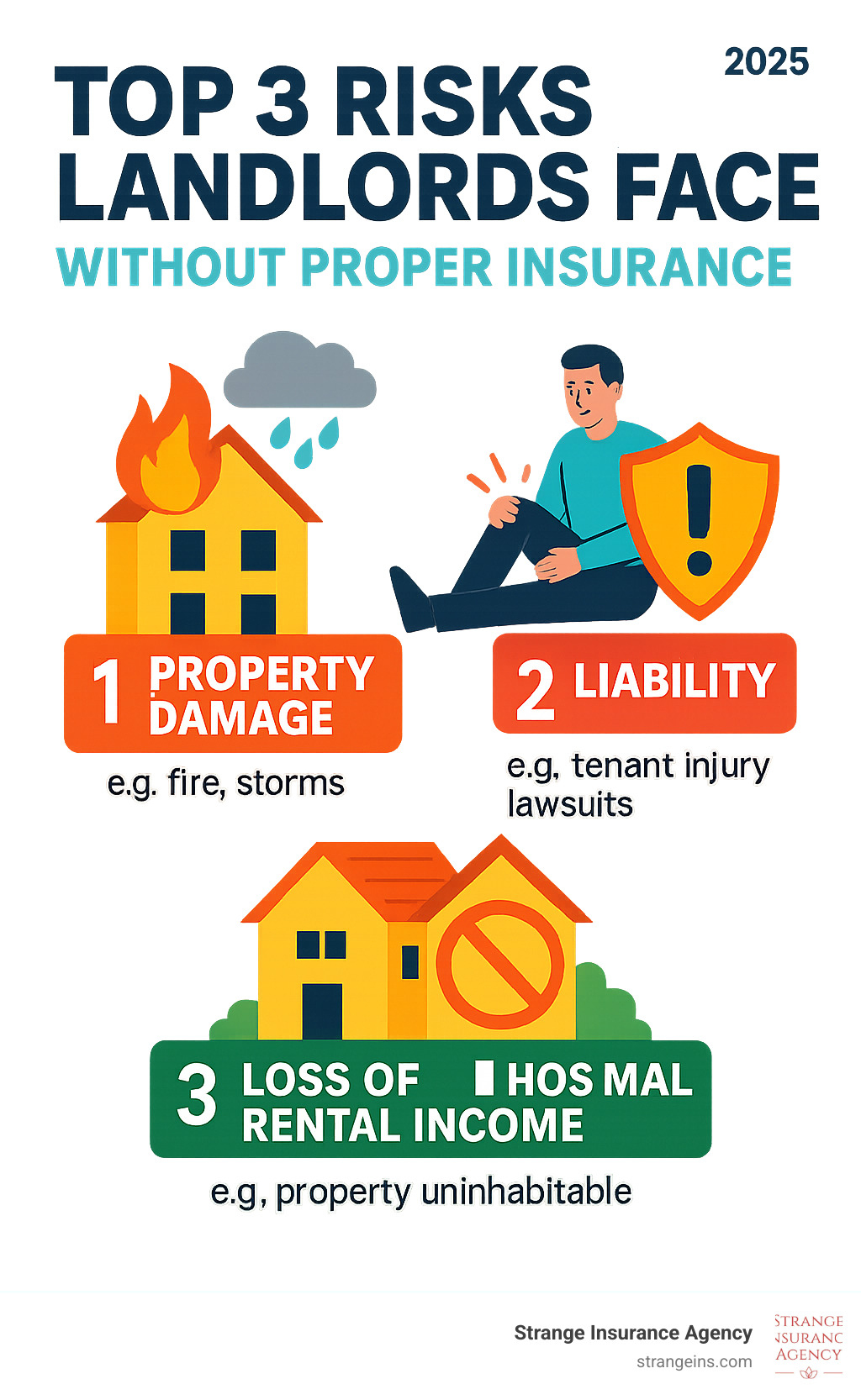
- Protects your investment: Covers damage to the property’s structure and other buildings.
- Covers liability: Shields you from lawsuits if someone gets hurt on your property.
- Safeguards income: Can replace lost rent if a covered event makes the property uninhabitable.
- Differs from homeowners insurance: Standard policies do not cover rental activities.
- Not for tenants’ belongings: Tenants need their own renters insurance.
Owning a rental property can be a smart way to build wealth. But it comes with unique risks. Protecting your investment is vital.
Unlike your personal home, a rental property is a business asset. This changes your insurance needs. Standard homeowners policies usually don’t cover these risks. An “accidental landlord” might learn this the hard way after a claim is denied. You need specialized coverage.
This guide will walk you through everything about insuring your rental property. We’ll cover what it is, what it protects, and how it differs from other policies.
With over 15 years in treasury management, business consulting, and insurance, Christian Strange brings a deep understanding of financial protection and risk mitigation for property owners. At Strange Insurance Agency, Christian is dedicated to helping landlords secure the right house insurance on rental property to safeguard their investments.
Landlords face unique risks. Check out these top concerns an insurance policy can help address:
House insurance on rental property further reading:
- average rental property insurance cost
- liability coverage for rental property
- best way to insure rental property
Understanding Landlord Insurance: Your First Line of Defense
When you decide to rent out a property, you’re not just a homeowner anymore – you’re essentially running a small business! That’s why your house insurance on rental property needs to be special. This type of coverage often goes by names like landlord insurance, rental property insurance, or, in the insurance world, a “Dwelling Fire” policy (don’t worry, it covers more than just fire!). It’s specifically designed to protect you from the unique financial bumps and challenges that come with being a property owner.
Think of your rental property as a valuable business asset. What if a tenant or their guest slips on a wet porch? Or a small kitchen fire makes the unit unlivable for months? Without the right protection, you could be facing huge bills – from medical costs and legal fees to lost rent. Landlord insurance acts as your sturdy shield, protecting you from these big financial hits.
While landlord insurance isn’t usually required by state laws, it’s almost always a must-have if you have a mortgage on the property. Your lender wants to make sure their investment (that’s your loan!) is safe, even if disaster strikes. Having the right house insurance on rental property gives you priceless peace of mind, letting you focus on finding great tenants and growing your investment. To dive deeper into protecting your assets, check out our insights on Investment Property Insurance.
Why Standard Homeowners Insurance Isn’t Enough
Here’s a big one that often surprises people: your regular homeowners insurance policy just won’t cut it for a rental property. Why? Because homeowners insurance is built for properties where you live. It assumes you’re there to keep an eye on things, maintain it regularly, and spot problems quickly. From an insurer’s point of view, a property you don’t live in all the time simply carries a higher risk.
When your home becomes a rental, it shifts from being a personal dwelling to a “business activity.” Most standard homeowners policies have what’s called a “business exclusion clause.” This means if damage or an accident happens while the property is being used for commercial purposes (like renting it out), your claim could be denied. Imagine a tenant accidentally causes significant damage, or someone gets hurt on your property and sues you – your homeowners policy likely wouldn’t cover the repair costs or legal fees. Understanding this crucial difference is key to avoiding a costly claim denial. For more clarity, take a look at our guide on a Homeowners Insurance Policy for Rental Property.
Is Landlord Insurance Legally Required?
As we touched on, states typically don’t have a law saying you must carry rental property insurance. However, this doesn’t mean you can just skip it! The vast majority of mortgage lenders will absolutely require you to have landlord insurance as a condition of your loan. Their main goal is to protect their financial interest in the property. If your rental property faces severe damage, they want to be sure it can be rebuilt or repaired.
Even if you own your property outright and don’t have a mortgage, we strongly recommend getting landlord insurance. Without it, you’re putting yourself at huge financial risk. Think of it as a smart, essential business decision to protect your valuable investment. It’s truly a best practice for any successful landlord. While you’re planning, it’s also worth understanding if your Do Investment Properties Need Mortgage Insurance? – it’s a separate but equally important piece of your financial puzzle.
What Your House Insurance on Rental Property Actually Covers (and What It Doesn’t)

So, you’ve decided to protect your investment with house insurance on rental property. That’s a smart move! But what exactly does this policy do for you when trouble strikes? Think of it as a financial safety net designed to catch you when covered perils like a fire or a nasty storm try to derail your rental business.
Just like any good safety net, it has its limits. Your policy will come with specific policy limits (the maximum amount it will pay out) and deductibles (the amount you pay before your insurance kicks in). Understanding these details is key to knowing what you’re truly protected against. This coverage is essentially your Building Insurance for Buy-to-Let, making sure the physical building itself is secure.
Key Coverages in Your House Insurance on Rental Property Policy
A well-rounded landlord insurance policy acts like a superhero team for your property, with each member covering a different vital area.
First up is Dwelling Coverage, the foundation of your protection. This is what helps you repair or rebuild the main structure of your rental property – the walls, roof, floors, and even built-in appliances – if they’re damaged by things like fire, wind, hail, or lightning. It’s the core shield for your biggest asset.
Then there’s Other Structures coverage. Got a detached garage, a shed for tools, or a fence marking your property line? This part of your policy steps in to protect those extra buildings from similar covered perils.
Next, let’s talk about Landlord’s Personal Property. While your policy won’t cover your tenant’s favorite couch or TV (they’ll need their own renters insurance for that!), it does cover items you own and provide for the property. This could be the refrigerator, stove, washer, or dryer you include with the rental, or even maintenance equipment like a lawnmower you keep on site.
Perhaps the most crucial hero on your team is Liability Coverage. Imagine a tenant or their guest slips on a broken step you didn’t know about, or gets hurt due to a faulty fixture. If they sue you, this coverage is your lifeline. It can help pay for medical expenses, legal fees, and even settlement costs if you’re found legally responsible. We offer comprehensive Liability Coverage for Rental Property to keep you protected, so you don’t have to face these situations alone.
Another fantastic feature for landlords is Loss of Rental Income, sometimes called “Fair Rental Value.” If a covered event – like a major fire or a severe storm – makes your property unlivable, forcing your tenants to move out while repairs are being done, this coverage can step in. It helps reimburse you for the rent you lose during that repair period. Just remember, it’s for damage that makes the property uninhabitable, not for lost rent because a tenant lost their job.
Finally, Medical Payments coverage is there for minor injuries. It can help pay for small medical expenses if someone gets hurt on your property, even if you’re not at fault. It’s a goodwill gesture that can sometimes prevent bigger issues.
Common Exclusions and Situations Not Covered
While your house insurance on rental property is incredibly robust, it’s not a magic wand that covers every single thing that could possibly go wrong. Knowing what’s not covered is just as important as knowing what is. Here are some common situations that typically fall outside the scope of a standard policy:
- Tenant’s Personal Belongings: This is a big one! Your policy protects your property, but not your tenant’s personal items like their furniture, electronics, or clothes. They’ll need their own renters insurance for that peace of mind.
- Normal Wear and Tear: Insurance is for sudden, unexpected damage. It won’t cover things that naturally wear out or break down over time, like an old leaky faucet or a worn-out carpet. However, if a pipe bursts due to extreme cold, that’s usually covered!
- Intentional Tenant Damage: While accidental damage caused by a tenant (like an accidental kitchen fire) might be covered, your policy typically won’t pay for damage or vandalism that your tenant intentionally causes. That’s where a good security deposit comes in handy.
- Earthquakes: Shaky ground? Most standard landlord policies don’t cover earthquake damage. If you’re in an area prone to tremors, you’ll need to purchase a separate earthquake insurance policy or add an endorsement to your existing one.
- Flooding: This is another major exclusion. Standard policies almost never cover damage caused by floods, whether it’s an overflowing river or just heavy rainfall. You’ll need a separate flood insurance policy, often available through the National Flood Insurance Program. Even if your property isn’t in a high-risk flood zone, a significant percentage of flood losses happen in those “lower-risk” areas, so it’s always worth considering.
- Maintenance Issues: Problems that arise because of neglect or a lack of routine upkeep are generally not covered. It’s your responsibility as a landlord to keep the property well-maintained.
- Pest Damage: Unwanted guests like birds, rodents, insects, or even your tenant’s unruly pets causing damage are usually not covered by your policy.
- Vacancy Clause (>60 days): Many policies have a “vacancy clause.” If your rental property sits empty for an extended period (often 60 days or more), your coverage might be reduced or even voided. Vacant properties are considered higher risk for vandalism, undetected issues like burst pipes, and other problems. So, try to keep those units filled!
Landlord vs. Homeowners vs. Renters Insurance: Key Differences
Understanding the nuances between different types of property insurance can feel like navigating a maze. But don’t worry, we’re here to help simplify it! Let’s break down landlord, homeowners, and renters insurance. This will help you see why each type serves a distinct purpose and is crucial for different people involved with a property.
To give you a quick overview, here’s how these key policies stack up against each other:
| Feature | Homeowners Insurance (HO-3) | Landlord Insurance (DP-3) | Renters Insurance (HO-4) |
|---|---|---|---|
| Primary Purpose | Protects owner-occupied home and personal belongings. | Protects rental property structure, landlord’s assets, and income. | Protects tenant’s personal belongings and liability. |
| Dwelling Coverage | Yes, for owner’s primary residence. | Yes, for rental property structure. | No, covers tenant’s living space but not structure. |
| Personal Property | Yes, covers owner’s belongings. | Yes, but only landlord’s property for maintenance/tenant use. | Yes, covers tenant’s personal belongings. |
| Liability | Yes, for owner’s personal liability. | Yes, for landlord’s liability related to rental property. | Yes, for tenant’s personal liability. |
| Loss of Income | Yes, for owner’s “loss of use” if home is uninhabitable. | Yes, for lost rental income due to covered peril. | No. |
| Cost | Moderate (average ~ $1,754/year). | Higher (average ~ $2,193/year, ~25% more than homeowners). | Low (average ~ $170/year). |
For more insights into how these policies apply to different rental scenarios, explore the coverage for renting out your home.
Landlord Insurance vs. Homeowners Insurance
The main difference boils down to who lives in the property. Homeowners insurance is specifically for your primary residence, the place you call home. It’s designed for the risks you face living in your own house.
Landlord insurance, on the other hand, is for a property you rent out to others. This distinction is critical because the risks are different. When you’re not living at the property, there’s a higher chance of undetected issues. Plus, tenants introduce different risks related to potential damage or liability.
So, why is house insurance on rental property often more expensive? Landlord policies typically cost about 25% more than a standard homeowners policy. For example, if the average homeowners premium is around $1,754 annually, landlord insurance could be closer to $2,193 per year. This higher cost reflects the increased risk for insurers. It also includes specialized protections like loss of rental income coverage, which homeowners policies don’t offer in the same way. When seeking the Best Home Insurance for Investment Property, this cost difference is a key consideration.
Landlord Insurance vs. Renters Insurance
This is another common point of confusion, but it’s pretty straightforward. Your landlord insurance protects you (the property owner) and your property (the structure and your landlord-owned items). It does not protect your tenant’s personal belongings. That’s where renters insurance comes in.
Renters insurance (often called an HO-4 policy) is for the tenant. It covers their personal property—think furniture, clothes, electronics—against perils like theft, fire, and vandalism. It also provides crucial liability coverage for the tenant if they accidentally cause damage to the property or if someone is injured in their rented unit due to their negligence.
As a landlord, we strongly encourage—and often recommend mandating—that your tenants obtain renters insurance. It’s affordable (some policies start at less than $25 per month) and protects them. This, in turn, can significantly reduce potential disputes or claims against you, making everyone’s life a little easier. For a deeper dive into this important coverage, read our explanation of renters insurance explained.
Tailoring Your Policy: From Short-Term Rentals to Optional Coverages

Just like a perfectly custom suit, your house insurance on rental property should fit your unique needs. There’s no one-size-fits-all solution, especially with the rise of various rental models. Customization, endorsements, and riders are your tools to ensure comprehensive protection. Finding the Best Way to Insure Rental Property means understanding these options.
How Rental Type Affects Your Insurance Needs
The duration and frequency of your rentals significantly impact the type of insurance you need:
- Long-Term Rentals: If you’re renting out an entire property for months or years, a dedicated landlord insurance policy (DP-3) is essential. This is the standard for most traditional rental properties.
- Short-Term Rentals (Airbnb, VRBO): This is where it gets tricky. If you’re renting out your primary residence infrequently (e.g., a weekend once every six months), your homeowners insurance might provide limited coverage, but you must inform your insurer, and they might require a home-sharing endorsement. However, if you regularly rent out a property on platforms like Airbnb or VRBO, it’s considered a business, and standard homeowners policies will likely deny claims. Specialized short-term rental insurance policies are available and crucial here.
- The average cost for a short-term rental insurance policy ranges between $2,000 and $3,000 every year in the U.S.
- In popular tourist destinations like Florida or California, these costs can increase significantly, up to $9,000 per year.
- Vacation Homes: If your vacation home is primarily for your use but you occasionally rent it out, you’ll need to discuss this with your insurer. It might require an endorsement or a specific type of landlord policy, depending on the rental frequency.
Understanding these distinctions is vital. You can learn more about specific needs for different rental durations in this guide: What Kind Of Rental Property Insurance Do You Need For Short, Medium,And Long-Term Rentals?.
Optional Coverages Every Landlord Should Consider
Beyond the core coverages, several optional endorsements can provide crucial protection for your house insurance on rental property:
- Vandalism Coverage: If your property is vacant between tenants or if a tenant causes malicious damage (beyond intentional damage exclusions), this can cover repair costs.
- Burglary Coverage: Protects against losses due to theft.
- Building Code Upgrade: If local building codes have changed since your property was built, this coverage helps pay the extra costs to rebuild or repair your property up to current codes after a covered loss.
- Umbrella Insurance Policy: This provides an extra layer of liability protection beyond the limits of your landlord policy. If a lawsuit against you exceeds your landlord policy’s liability limits, an umbrella policy kicks in, offering significant peace of mind. We highly recommend discussing an Umbrella Insurance Policy for Rental Property with us.
- Guaranteed Income Insurance: While less common, some specialized policies offer this. It can protect against lost income if tenants are unable to pay rent due to specific, covered circumstances (not typically financial hardship).
- Flood Insurance: As mentioned, standard policies don’t cover floods. If your property is in a flood-prone area (or even if it’s not, given that many flood claims are outside designated flood zones), securing Flood Insurance for Investment Properties is a wise move.
Decoding the Cost and Choosing the Right Policy

Alright, you’ve learned a lot about what house insurance on rental property is all about. Now, let’s get down to the nitty-gritty: how much it costs and how to pick the policy that’s just right for you. It’s not about finding the cheapest option out there; it’s about smart protection that truly fits your needs without breaking the bank. Our mission is to help you find Low Cost Rental Property Insurance that still gives you top-notch coverage.
Factors Influencing the Cost of House Insurance on Rental Property
You might be wondering, “What makes one policy cost more than another?” Well, the price of your landlord insurance isn’t just pulled out of a hat. Several things play a big role in figuring out your premium:
First off, your property location really matters. If your rental is in an area with higher crime rates, or if it’s prone to natural disasters like hurricanes (hello, coastal Virginia or North Carolina!) or severe storms, you’ll likely see higher premiums. It also depends on how much it costs to rebuild in that specific area.
Then there’s the age and construction of your property. Older homes can sometimes cost a bit more to insure, especially if they have older plumbing or electrical systems. Even the materials used, like brick versus a wood frame, can make a difference. Your claims history also comes into play – both for the property itself (even from previous owners) and your personal history. A past claim can sometimes nudge your rates up.
Want to save a little? Your deductible amount is key. This is the amount you pay out-of-pocket before your insurance steps in. If you choose a higher deductible, your monthly or annual premium will be lower. Just make sure you pick an amount you’d be comfortable paying if you ever need to file a claim. Adding safety features like smoke detectors, burglar alarms, or even sprinkler systems can often snag you some nice discounts. And believe it or not, your credit score can also influence your premium in many states. A good score often means better rates!
Just to give you a ballpark figure, the Average Rental Property Insurance Cost across the nation is usually around $2,193 per year. That’s about 25% more than what a standard homeowners policy might cost, showing just how specialized this coverage is.
How to Choose the Right Landlord Insurance Policy
Picking the right policy might seem like a chore, but it’s really an investment in your peace of mind and your financial future. Here’s how to make a smart choice:
First, always assess the rebuild cost of your property, not just its market value. You want to make sure you’re covered for the actual cost to rebuild your home from the ground up if disaster strikes. Construction costs can vary wildly, even within areas like Norfolk, VA, or other parts of Virginia and North Carolina, so get an up-to-date estimate.
Next, determine your liability limits. Think about your personal assets and how much protection you need. We often suggest aiming for enough liability coverage to safeguard your total assets. If you have several rentals or high-value properties, an umbrella policy is often a super smart move to give you an extra layer of protection.
Don’t forget to review policy exclusions carefully. What isn’t covered is just as important as what is. If something worries you, like certain types of water damage, ask if you can add an endorsement to get that coverage.
This is where we really shine: compare multiple quotes. As a concierge insurance agency, Strange Insurance Agency can gather multiple quotes for you from over 30 different companies. This means we do the legwork to compare your options, helping you find the most comprehensive coverage at the most competitive rates. It takes the guesswork out of your hands!
Finally, always check for discounts. Ask about bundling discounts (like combining your landlord policy with your car insurance), multi-policy discounts, or those sweet savings for safety features you’ve installed.
Choosing the Best Insurance Company for Real Estate Investors means finding a partner who truly gets your unique needs as a landlord and can offer custom solutions. We’re here to help you every step of the way.
Conclusion
So, you’ve invested in rental property – that’s a fantastic step towards building wealth! It’s truly a rewarding venture. But just like any smart investor, you’ll want to protect that asset proactively.
Think of house insurance on rental property not as an extra bill, but as your property’s superhero cape. It’s a critical safeguard against those unexpected bumps in the road that could otherwise throw your financial goals off track. We’re talking about everything from sudden property damage to pesky liability claims or even that dreaded lost rental income. With the right insurance, you ensure your long-term investment stays secure, come what may.
Here at Strange Insurance Agency, we totally get the ins and outs of insuring rental properties. Whether your property is in Virginia, North Carolina, West Virginia, Florida, or anywhere else across the U.S., we’re here to simplify what can feel like a complex process. Our friendly team isn’t just about selling policies; we’re about helping you steer your options. We compare quotes from over 30 top-rated companies, all to find you the perfect fit that gives you real peace of mind.
Don’t let “what ifs” keep you up at night. Instead, take a proactive step to secure your rental property investment today. You deserve the right coverage. Let us help you build a super strong insurance strategy. Get a quote for your commercial property insurance – it’s easier than you think!