
Understanding Mobile Home Insurance in Virginia
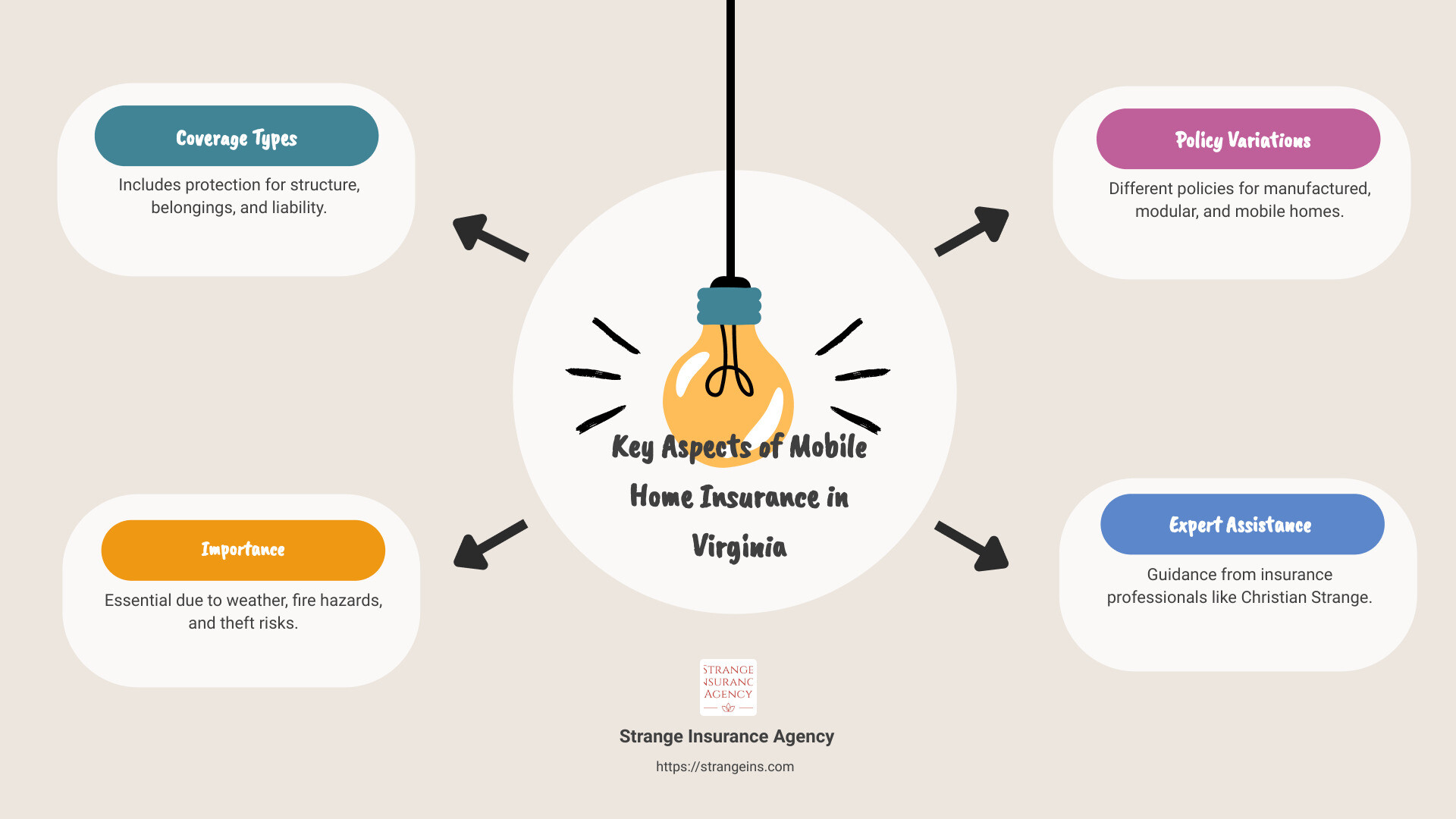
When it comes to mobile home insurance in Virginia, understanding the basics is key to making sure your home and belongings are well-protected. Here’s a quick rundown to get you started:
- What It Covers: Mobile home insurance typically includes coverage for the physical structure, personal belongings, and liability protection.
- Why You Need It: Mobile homes face unique risks such as weather vulnerability, fire hazards, and theft, making insurance essential.
- Types of Policies: Different policies are needed for manufactured, modular, and mobile homes, which can all affect your coverage options.
Many people assume that mobile homes are less in need of comprehensive insurance, but that’s simply not the case. Due to their construction style, mobile homes can be more susceptible to damage from fires, storms, and other natural disasters. Therefore, having specialized coverage custom specifically for mobile homes is crucial for peace of mind.
My name is Christian Strange, and with over 15 years of experience in business consulting and insurance, I’m dedicated to helping you find the right mobile home insurance in Virginia. My goal is to ensure you get the best coverage that fits your needs, without unnecessary add-ons.
Why Mobile Home Insurance is Essential
Mobile home insurance is not just a nice-to-have; it’s a must-have for anyone living in a mobile home. Here’s why:
Unique Construction
Mobile homes are built differently from traditional homes. They are factory-built and then transported to their final location. This construction method can make them more vulnerable to certain types of damage, such as from transportation or installation errors. Additionally, mobile homes often have lighter materials which can be more easily damaged compared to traditional homes.
Weather Vulnerability
Virginia’s weather can be unpredictable. From hurricanes and tornadoes to heavy snowfall, your mobile home faces various weather-related risks. Mobile home insurance can help cover the cost of repairs from weather damage, ensuring that you’re not left financially devastated after a storm.
For example, during Hurricane Isabel in 2003, many mobile homes in Virginia suffered severe damage. Those with insurance were able to recover more quickly and without the financial burden.
Fire Risk
Fires can happen unexpectedly, whether from a kitchen mishap or an electrical fault. Mobile homes are particularly susceptible to fire damage due to their construction materials and smaller size. Insurance can cover the costs of repairs or even replacement if your home is destroyed by fire.
Theft
Mobile homes can be attractive targets for thieves, especially if they are located in less secure areas. Insurance helps cover the cost of stolen items, from electronics to personal belongings, giving you peace of mind even if the worst happens.
Vandalism
Unfortunately, vandalism can occur anywhere, including mobile home communities. Whether it’s broken windows or graffiti, vandalism can cause significant damage. Mobile home insurance can cover these costs, allowing you to restore your home to its original condition.
Having the right mobile home insurance in Virginia is crucial for protecting your investment and ensuring your peace of mind. Whether it’s weather-related damage, fire, theft, or vandalism, insurance provides a safety net that allows you to recover and move forward.
Types of Mobile Home Insurance Coverage
Physical Structure Coverage
Physical structure coverage helps protect the four walls of your mobile home. This coverage is essential for damage caused by disasters like fires, windstorms, and falling trees. For example, if a lightning strike fries your electronics and wiring, or a tornado damages your roof, this coverage can help pay for repairs or replacement.
Personal Belongings Coverage
Your personal belongings, such as electronics, furniture, and clothing, can be protected under personal belongings coverage. This coverage steps in if your items are stolen, burned in a fire, or damaged by water. For instance, if a burst pipe in your mobile home causes water damage to your furniture, this coverage helps cover the costs.
Liability Coverage
Liability coverage can protect you if someone gets injured on your property or if you accidentally damage someone else’s property. This can include medical expenses and legal costs. For example, if a guest slips on your wet kitchen floor and decides to sue, liability coverage can help pay for the hospital bills and your legal defense.
Additional Structures Coverage
Additional structures coverage protects other structures on your property, such as garages, sheds, workshops, and patios. If a falling tree damages your detached garage, this coverage can help pay for repairs. It’s important to note that these structures are considered separate from your mobile home and need their own coverage.
Loss of Use Coverage
If your mobile home becomes unlivable due to a covered event, loss of use coverage can help with temporary housing, hotel stays, and other living expenses. For example, if a fire makes your home uninhabitable, this coverage can help pay for a hotel and meals while your home is being repaired.
Having the right mobile home insurance in Virginia is crucial for protecting your investment and ensuring your peace of mind. Whether it’s weather-related damage, fire, theft, or vandalism, insurance provides a safety net that allows you to recover and move forward.
Factors Affecting Mobile Home Insurance Costs in Virginia
Location and Environment
Where your mobile home is located significantly impacts your insurance costs. Flood zones and hurricane risks are particularly important in Virginia. Homes in areas prone to flooding or hurricanes will likely have higher premiums due to the increased risk.
Neighborhood safety also matters. Homes in areas with higher crime rates may face higher insurance costs due to the increased risk of theft and vandalism.
Home Age and Systems
The age of your mobile home plays a big role in determining your insurance premium. Older homes may have outdated systems, which can be more prone to issues like electrical fires or plumbing leaks.
Updated systems can help lower your premiums. If your home has modern electrical, plumbing, and HVAC systems, it’s considered less risky to insure. Regular maintenance is also crucial. Well-maintained homes are less likely to experience problems, which can help keep your insurance costs down.
Recreational Features
Recreational features such as swimming pools, trampolines, and playgrounds can also affect your insurance costs. These features increase the risk of injuries, which can lead to higher liability claims.
Insurance companies often charge higher premiums for homes with these features to offset the increased risk. If you have these features, consider adding safety measures like fences or nets to potentially lower your insurance costs.
Understanding these factors can help you make informed decisions when purchasing mobile home insurance in Virginia. By considering location, home age, and recreational features, you can better understand how to manage and possibly reduce your insurance costs.
How to Choose the Right Mobile Home Insurance Policy
Choosing the right mobile home insurance in Virginia can feel overwhelming, but breaking it down into key factors can make the process easier. Here’s what you need to know:
Comparing Coverage Options
When comparing insurance policies, focus on the types of coverage offered. Most mobile home insurance policies cover:
Dwelling Coverage: This protects the physical structure of your home from damage caused by disasters like fire, windstorms, and falling trees. Make sure your policy covers the replacement cost, not just the actual cash value.
Wind/Hail Coverage: Essential for homes in areas prone to severe weather. Check if this is included or if it needs to be added separately.
Hurricane Damage: If you live in a hurricane-prone area, ensure your policy covers hurricane damage. Some policies may require a separate deductible for this.
Personal Property Replacement: This coverage pays to replace your belongings if they’re damaged or stolen. Make sure to understand the limits and whether it covers the replacement cost or actual cash value.
Understanding Deductibles
The deductible is the amount you pay out-of-pocket before your insurance coverage kicks in. Higher deductibles typically mean lower premiums, but you’ll pay more in the event of a claim.
Impact on Premiums: Choosing a higher deductible can save you money on your monthly premiums. However, ensure you can afford the deductible amount if you need to file a claim.
Choosing the Right Deductible: Balance your monthly premium savings with your ability to pay the deductible. For example, if you have a $1,000 deductible, make sure you have that amount set aside for emergencies.
Optional Coverages
Depending on your location and needs, you might want to consider optional coverages:
Flood Insurance: Even if you don’t live near a coast, floods can happen anywhere. Most standard policies don’t cover flood damage, so this can be a crucial add-on.
Earthquake Insurance: If you’re in an area prone to earthquakes, this coverage can protect your home from seismic events.
Water Backup Coverage: This covers damage from water backing up into your home through sewers or drains. It’s not always included in standard policies but can be very useful.
Evaluating Insurance Companies
When choosing an insurance provider, consider their reputation and reliability:
Customer Service: Look for companies known for excellent customer service. You want an insurer who is responsive and helpful, especially during the claims process.
Claim Handling: Efficient and fair claim handling is crucial. Check reviews and ratings to see how current customers feel about their claim experiences.
Financial Stability: Ensure the company is financially stable and capable of paying out claims. You can check their ratings on A.M. Best or other financial rating agencies.
By focusing on these factors, you can choose a mobile home insurance policy that fits your needs and provides peace of mind.
Frequently Asked Questions about Mobile Home Insurance in Virginia
Why is it harder to insure a manufactured home?
Manufactured homes, often known as mobile homes, have unique construction features that make them more challenging to insure. They are built in factories and then transported to their final location. This method can make them more vulnerable to certain risks compared to traditional homes.
Weather Vulnerability: Mobile homes are particularly susceptible to damage from severe weather, such as hurricanes and tornadoes. Their lighter construction and less secure anchoring can lead to more significant damage during storms.
Fire Risk: The materials used in manufactured homes can sometimes be less fire-resistant than those in traditional homes, increasing the risk of fire damage.
Theft and Vandalism: Mobile homes are often located in parks or less secure areas, making them more prone to theft and vandalism.
Which homeowners policy is used for mobile homeowners?
Mobile homeowners typically need a specialized policy designed specifically for manufactured or mobile homes. This policy is different from a standard homeowners insurance policy due to the unique risks and construction of mobile homes.
Mobile Home Policy: This type of policy covers the physical structure of the home, personal belongings, liability, and additional structures like sheds or garages. It also includes coverage for specific risks such as windstorms, fire, and falling trees.
Coverage Details: A typical mobile home policy will provide protection for:
- Physical Structure: Damage from disasters like fire and windstorms.
- Personal Belongings: Theft, fire, and water damage to items like electronics and furniture.
- Liability: Injuries on your property and legal expenses.
- Additional Structures: Garages, sheds, and patios.
- Loss of Use: Temporary housing and living expenses if your home becomes uninhabitable.
Is a mobile home considered real estate in Virginia?
Whether a mobile home is considered real estate in Virginia depends on its foundation and land ownership.
Permanent Foundation: If a mobile home is placed on a permanent foundation and the wheels and axles are removed, it can be classified as real estate. This often requires the home to be affixed to the land in a way that it cannot be easily moved.
Land Ownership: Owning the land where the mobile home is situated can also influence its classification. If you own both the mobile home and the land, it is more likely to be considered real estate. However, if the mobile home is located in a mobile home park where you lease the land, it is typically treated as personal property.
Understanding these distinctions is crucial when seeking mobile home insurance in Virginia. It affects not only the type of policy you need but also the coverage and premiums you will pay.
Conclusion
Purchasing mobile home insurance in Virginia is not just a good idea—it’s essential. Mobile homes have unique vulnerabilities compared to traditional homes, such as increased risks from weather events, fire, and theft. Having the right insurance coverage ensures that you are protected from these risks.
Coverage is Key
When it comes to mobile home insurance, comprehensive coverage is crucial. This includes:
- Physical Structure Coverage: Protects against damage from disasters like fires and windstorms.
- Personal Belongings Coverage: Covers items such as electronics and furniture from theft and damage.
- Liability Coverage: Helps with legal expenses if someone is injured on your property.
- Additional Structures Coverage: Covers garages, sheds, and other outbuildings.
- Loss of Use Coverage: Provides for temporary housing if your home becomes uninhabitable.
Why Choose Strange Insurance Agency?
We at Strange Insurance Agency specialize in mobile home insurance, understanding the specific needs and challenges faced by mobile homeowners. Our team is dedicated to helping you find the right coverage at competitive rates. We partner with top-rated insurance providers to ensure you get the best protection and service.
Your Peace of Mind Matters
Don’t wait until it’s too late to protect your home and belongings. Contact us today to discuss your options for mobile home insurance in Virginia. Our experienced agents are here to guide you through the process, making sure you have the coverage you need to safeguard your investment and your peace of mind.
Ready to get started? Get a quote today and ensure your mobile home is well-protected.